

Designing clothing with meltblown nonwoven fabric is an innovative and practical approach that combines functionality with style. As a leading supplier of meltblown nonwoven fabric, I am excited to share some insights on how to design clothing using this unique material.
Understanding Meltblown Nonwoven Fabric
Meltblown nonwoven fabric is a type of nonwoven material produced by extruding molten polymer through fine nozzles to form microfibers. These microfibers are then randomly laid down to create a web-like structure. The resulting fabric has excellent filtration properties, high porosity, and good breathability, making it suitable for a variety of applications, including clothing.
One of the key advantages of meltblown nonwoven fabric is its ability to filter out small particles, such as dust, pollen, and bacteria. This makes it an ideal material for designing protective clothing, such as face masks, surgical gowns, and isolation suits. Additionally, meltblown nonwoven fabric is lightweight, soft, and comfortable to wear, which makes it suitable for everyday clothing as well.
Design Considerations
When designing clothing with meltblown nonwoven fabric, there are several factors to consider:
Functionality
The primary function of the clothing will determine the design and construction. For example, if the clothing is intended for protective purposes, such as a face mask or a surgical gown, the design should focus on providing maximum protection against particles and microorganisms. This may involve using multiple layers of meltblown nonwoven fabric, as well as incorporating features such as adjustable straps and seals.
On the other hand, if the clothing is for everyday wear, the design should prioritize comfort and style. This may involve using a single layer of meltblown nonwoven fabric or combining it with other materials, such as cotton or polyester, to create a more comfortable and breathable fabric.
Comfort
Comfort is an important consideration when designing clothing. Meltblown nonwoven fabric is generally soft and lightweight, but it can be prone to static electricity, which can cause discomfort. To address this issue, you can choose a meltblown nonwoven fabric that has been treated with an antistatic agent. Additionally, you can design the clothing to have a loose fit and use breathable materials to ensure maximum comfort.
Style
While functionality and comfort are important, style is also a key consideration when designing clothing. Meltblown nonwoven fabric can be dyed and printed to create a variety of colors and patterns, which allows for greater design flexibility. You can also incorporate different textures and finishes to add visual interest to the clothing.
Design Techniques
There are several design techniques that you can use when working with meltblown nonwoven fabric:
Layering
Layering is a common technique used in clothing design to add depth and dimension. When using meltblown nonwoven fabric, you can layer it with other materials, such as cotton, polyester, or nylon, to create a more complex and interesting fabric. You can also layer multiple layers of meltblown nonwoven fabric to increase the filtration efficiency of the clothing.
Cutting and Sewing
Cutting and sewing are basic techniques used in clothing design. When working with meltblown nonwoven fabric, you can use a sharp pair of scissors or a rotary cutter to cut the fabric. You can then use a sewing machine or hand-sew the fabric together. It is important to use a fine needle and thread to prevent the fabric from fraying.
Heat Sealing
Heat sealing is a technique used to bond two pieces of fabric together using heat. When working with meltblown nonwoven fabric, you can use a heat sealer to create a strong and durable bond. Heat sealing is particularly useful for creating seams and closures in protective clothing.
Applications of Meltblown Nonwoven Fabric in Clothing
Meltblown nonwoven fabric has a wide range of applications in clothing design. Here are some examples:
Face Masks
Face masks are one of the most common applications of meltblown nonwoven fabric. Meltblown nonwoven fabric is used as the middle layer of a face mask to provide filtration against particles and microorganisms. The outer and inner layers of the face mask are typically made of a breathable material, such as cotton or polyester.

Surgical Gowns
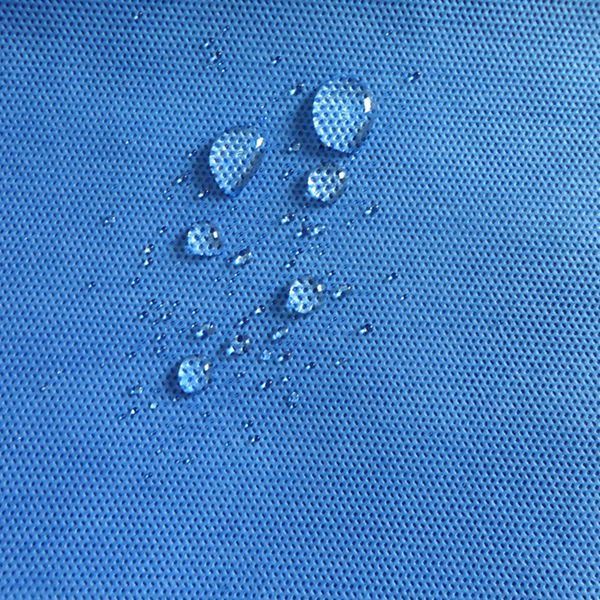
Surgical gowns are another important application of meltblown nonwoven fabric. Meltblown nonwoven fabric is used to create a barrier between the patient and the healthcare worker, preventing the spread of infection. Surgical gowns are typically made of multiple layers of meltblown nonwoven fabric, as well as other materials, such as polyester and cotton.
Isolation Suits
Isolation suits are used to protect healthcare workers from exposure to infectious diseases. Meltblown nonwoven fabric is used to create a barrier between the healthcare worker and the patient, preventing the spread of infection. Isolation suits are typically made of multiple layers of meltblown nonwoven fabric, as well as other materials, such as polyester and cotton.
Everyday Clothing
Meltblown nonwoven fabric can also be used to design everyday clothing, such as t-shirts, dresses, and jackets. When used in everyday clothing, meltblown nonwoven fabric can provide a lightweight and breathable alternative to traditional fabrics. Additionally, meltblown nonwoven fabric can be dyed and printed to create a variety of colors and patterns, which allows for greater design flexibility.
Our Product Range
As a supplier of meltblown nonwoven fabric, we offer a wide range of products to meet the needs of our customers. Our products include:
- 100% PP Spunbond Non-woven Fabric For Hygiene: This fabric is made of 100% polypropylene and is suitable for hygiene applications, such as baby diapers, feminine hygiene products, and adult incontinence products.
- Spunbond Nonwoven Fabric For Foldable Wardrobe 50-100 Gsm: This fabric is made of polypropylene and is suitable for home use, such as foldable wardrobes, storage boxes, and laundry baskets.
- Alcohol Repellent And Antistatic SMMS Nonwoven Fabric: This fabric is made of a combination of spunbond and meltblown nonwoven fabric and is suitable for medical applications, such as surgical gowns, isolation suits, and face masks.
Conclusion
Designing clothing with meltblown nonwoven fabric is an innovative and practical approach that combines functionality with style. By understanding the properties of meltblown nonwoven fabric and using the right design techniques, you can create clothing that is both comfortable and functional. As a supplier of meltblown nonwoven fabric, we are committed to providing our customers with high-quality products and excellent customer service. If you are interested in using our products for your clothing design projects, please contact us to discuss your requirements.
References
- Smith, J. (2020). Nonwoven fabrics: Structure, properties, and applications. CRC Press.
- Brown, A. (2019). Textile design: A practical guide. Bloomsbury Publishing.
- Green, C. (2018). Clothing design: Principles and practices. Pearson Education.


