

Can Pp Nonwoven Fabrics be used for geotextiles?
As a supplier of PP nonwoven fabrics, I often get asked about the various applications of our products. One question that comes up quite frequently is whether PP nonwoven fabrics can be used for geotextiles. In this blog post, I'll explore this topic in detail and provide you with all the information you need to make an informed decision.
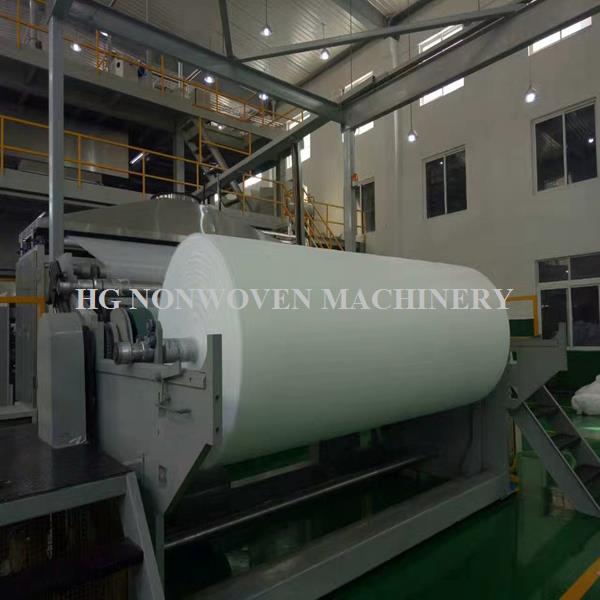

Understanding PP Nonwoven Fabrics
PP nonwoven fabrics are made from polypropylene, a thermoplastic polymer known for its strength, durability, and chemical resistance. These fabrics are produced through a process called nonwoven manufacturing, which involves bonding or interlocking fibers together without the need for weaving or knitting. This results in a fabric with unique properties that make it suitable for a wide range of applications.
There are different types of PP nonwoven fabrics available in the market, each with its own set of characteristics and uses. For instance, SMS Nonwoven Fabric for Surgical Gown is designed to provide high levels of protection in medical settings. It consists of a combination of spunbond and meltblown layers, which offer excellent barrier properties against liquids and particles.
On the other hand, PP Spunbond Nonwoven Fabric is a popular choice for many industrial applications. It is produced by extruding molten polypropylene through spinnerets to form continuous filaments, which are then laid down on a conveyor belt and bonded together. This fabric is known for its high strength, good tear resistance, and breathability.
Another type is the PP Spun Bond Nonwoven Fabric For Shopping Bag. As the name suggests, it is commonly used in the production of shopping bags due to its lightweight, flexibility, and printability.
Geotextiles: An Overview
Geotextiles are synthetic materials used in civil engineering and construction projects to improve soil stability, drainage, filtration, and erosion control. They are typically placed between different soil layers or between soil and other construction materials to enhance the performance of the overall structure.
Geotextiles can be classified into several types based on their function, including:
- Separation geotextiles: These are used to separate different soil layers or materials to prevent mixing and maintain the integrity of each layer.
- Filtration geotextiles: They allow water to pass through while preventing the movement of fine soil particles, thus providing effective filtration.
- Drainage geotextiles: These geotextiles are designed to collect and transport water within the soil, reducing the water pressure and preventing waterlogging.
- Reinforcement geotextiles: They are used to strengthen the soil by distributing loads and increasing its bearing capacity.
Can PP Nonwoven Fabrics be Used for Geotextiles?
The answer is yes, PP nonwoven fabrics can be used for geotextiles, and they offer several advantages in this application:
- Strength and Durability: PP nonwoven fabrics have good tensile strength and tear resistance, which are essential properties for geotextiles. They can withstand the stresses and strains associated with soil movement and construction activities without breaking or losing their integrity.
- Filtration and Drainage: The porous structure of PP nonwoven fabrics allows water to pass through while retaining soil particles. This makes them suitable for use as filtration and drainage geotextiles, helping to prevent soil erosion and improve the drainage of water from the soil.
- Chemical Resistance: Polypropylene is resistant to many chemicals, including acids, alkalis, and salts. This means that PP nonwoven geotextiles can maintain their performance in harsh environmental conditions, such as in soils contaminated with chemicals or in areas with high salinity.
- Cost - Effectiveness: Compared to some other materials used for geotextiles, PP nonwoven fabrics are relatively inexpensive. This makes them an attractive option for large - scale construction projects where cost is a significant factor.
- Ease of Installation: PP nonwoven geotextiles are lightweight and flexible, which makes them easy to handle and install. They can be cut to the required size and shape on - site, reducing the time and labor required for installation.
Applications of PP Nonwoven Geotextiles
- Road Construction: In road building, PP nonwoven geotextiles can be used as separation layers between the subgrade and the base course to prevent the mixing of different soil layers. They can also be used as filtration and drainage materials to improve the performance of the road structure and prevent water damage.
- Landfill Liners: PP nonwoven geotextiles are often used in landfill liners to provide filtration and protection for the underlying soil. They help to prevent the leakage of leachate (liquid waste) from the landfill into the surrounding environment.
- Erosion Control: On slopes and embankments, PP nonwoven geotextiles can be used to prevent soil erosion. They are placed on the soil surface to hold the soil in place and allow vegetation to grow, which further stabilizes the slope.
- Retaining Walls: These geotextiles can be used in retaining wall construction to provide reinforcement and drainage. They help to distribute the lateral pressure exerted by the soil and prevent water from accumulating behind the wall.
Considerations When Using PP Nonwoven Geotextiles
While PP nonwoven geotextiles offer many benefits, there are some considerations to keep in mind:
- UV Resistance: Polypropylene is susceptible to degradation when exposed to ultraviolet (UV) radiation. If the geotextile will be exposed to sunlight for an extended period, it may be necessary to use a UV - stabilized PP nonwoven fabric or cover the geotextile with soil or other materials to protect it from UV rays.
- Long - Term Performance: Although PP nonwoven geotextiles are generally durable, their long - term performance can be affected by factors such as soil type, moisture content, and chemical exposure. It is important to select the appropriate type and grade of geotextile based on the specific application and environmental conditions.
- Installation Quality: Proper installation is crucial for the effective performance of PP nonwoven geotextiles. They should be installed in accordance with the manufacturer's recommendations to ensure that they are properly positioned and secured.
Conclusion
In conclusion, PP nonwoven fabrics can be an excellent choice for geotextile applications. Their strength, durability, filtration and drainage properties, chemical resistance, and cost - effectiveness make them suitable for a wide range of civil engineering and construction projects. However, it is important to consider factors such as UV resistance, long - term performance, and installation quality to ensure the optimal performance of the geotextile.
If you are interested in using PP nonwoven fabrics for your geotextile projects or have any questions about our products, please feel free to contact us. We are committed to providing high - quality PP nonwoven fabrics and professional technical support to meet your specific needs.
References
- Koerner, R. M. (2012). Designing with Geosynthetics. Pearson.
- Giroud, J. P. (2016). Geotextiles and Geomembranes: Design and Application. CRC Press.


