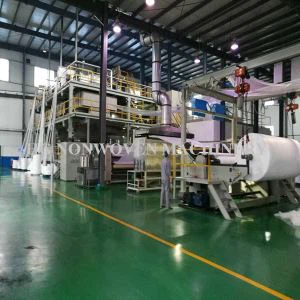
Hey there! I'm a supplier of nonwoven for hygiene, and I'm super excited to chat with you about the main raw materials used in this field. Nonwoven fabrics have become a staple in the hygiene industry, from baby diapers to adult incontinence products and feminine hygiene items. They're known for their softness, absorbency, and durability, making them perfect for keeping us clean and comfortable. So, let's dive into the nitty-gritty of what goes into these amazing fabrics!
Polypropylene (PP)
One of the most commonly used raw materials in nonwoven for hygiene is polypropylene (PP). It's a thermoplastic polymer that's lightweight, strong, and resistant to moisture and chemicals. PP is also relatively inexpensive, which makes it a popular choice for manufacturers.
In nonwoven production, PP is typically made into filaments, which are then bonded together to form a fabric. There are several methods of bonding, including thermal bonding, chemical bonding, and mechanical bonding. Thermal bonding is the most common method, as it's fast, efficient, and produces a strong bond.
PP nonwoven fabrics are used in a variety of hygiene products, including baby diaper top sheets, adult incontinence pads, and feminine hygiene liners. They're soft and gentle on the skin, which is important for products that come into contact with sensitive areas. PP nonwoven fabrics are also highly breathable, which helps to keep the skin dry and reduce the risk of irritation.
If you're interested in our Hydrophilic spunbond Nonwoven for baby diaper top sheet, which is made from high-quality PP, you can check out the link above. It's designed to be super absorbent and skin-friendly, making it a great choice for baby care.
Polyester (PET)
Another popular raw material in nonwoven for hygiene is polyester (PET). It's a synthetic polymer that's known for its strength, durability, and resistance to shrinkage and wrinkling. PET is also highly absorbent, which makes it a good choice for products that need to hold a lot of liquid.
In nonwoven production, PET is typically made into staple fibers, which are then blended with other fibers and bonded together to form a fabric. The blending process can be adjusted to achieve different properties, such as softness, absorbency, and strength.
PET nonwoven fabrics are used in a variety of hygiene products, including diaper absorbent cores, adult incontinence pads, and feminine hygiene products. They're strong and durable, which helps to prevent leakage and ensure the product's integrity. PET nonwoven fabrics are also resistant to bacteria and fungi, which makes them a hygienic choice for products that come into contact with the body.
Wood Pulp
Wood pulp is another important raw material in nonwoven for hygiene. It's a natural fiber that's derived from wood, and it's known for its absorbency and softness. Wood pulp is also renewable and biodegradable, which makes it an environmentally friendly choice.
In nonwoven production, wood pulp is typically made into a fluff pulp, which is then combined with other fibers and bonded together to form a fabric. The fluff pulp provides the fabric with its absorbent properties, while the other fibers provide strength and durability.
Wood pulp nonwoven fabrics are used in a variety of hygiene products, including diaper absorbent cores, adult incontinence pads, and feminine hygiene products. They're highly absorbent, which helps to keep the skin dry and reduce the risk of irritation. Wood pulp nonwoven fabrics are also soft and gentle on the skin, which makes them a popular choice for products that come into contact with sensitive areas.
Rayon
Rayon is a semi-synthetic fiber that's made from cellulose, which is derived from wood pulp or cotton. It's known for its softness, absorbency, and breathability, which makes it a popular choice for hygiene products.
In nonwoven production, rayon is typically made into staple fibers, which are then blended with other fibers and bonded together to form a fabric. The blending process can be adjusted to achieve different properties, such as softness, absorbency, and strength.
Rayon nonwoven fabrics are used in a variety of hygiene products, including baby diaper top sheets, adult incontinence pads, and feminine hygiene liners. They're soft and gentle on the skin, which is important for products that come into contact with sensitive areas. Rayon nonwoven fabrics are also highly absorbent and breathable, which helps to keep the skin dry and reduce the risk of irritation.
Other Raw Materials
In addition to the raw materials mentioned above, there are several other materials that are used in nonwoven for hygiene. These include:
- Cotton: Cotton is a natural fiber that's known for its softness, absorbency, and breathability. It's often used in baby diaper top sheets and other products that come into contact with sensitive skin.
- Biodegradable polymers: Biodegradable polymers are a type of polymer that can be broken down by natural processes. They're becoming increasingly popular in the hygiene industry, as they offer a more environmentally friendly alternative to traditional polymers.
- Antibacterial agents: Antibacterial agents are often added to nonwoven fabrics to help prevent the growth of bacteria and fungi. This can help to keep the product hygienic and reduce the risk of infection.
Conclusion
So, there you have it! These are the main raw materials used in nonwoven for hygiene. Each material has its own unique properties and benefits, and manufacturers often blend different materials together to achieve the desired properties in their products.
If you're in the market for nonwoven for hygiene, I'd love to chat with you about our products. We offer a wide range of nonwoven fabrics, including Hydrophilic spunbond Nonwoven for baby diaper top sheet, Nonwoven Fabric Materials For Diaper ADL Layer, and Skin-friendly SS PP Spunbond Non Woven Fabric For Hygiene. Our fabrics are made from high-quality raw materials and are designed to meet the highest standards of quality and performance.

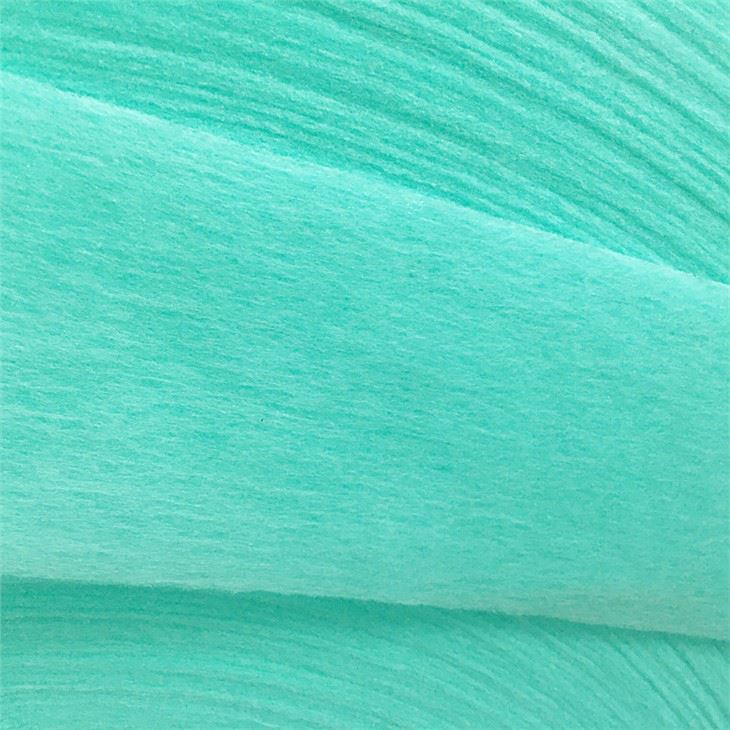
Whether you're a manufacturer looking for a reliable supplier or a distributor looking for a new product line, we'd be happy to work with you. Just reach out to us, and we'll be in touch to discuss your needs and how we can help.
References
- "Nonwoven Fabrics: Principles, Production, Properties, Applications, and Modeling" by Sabu Thomas, Laly A. Pothan, and Sabu Jacob
- "Handbook of Nonwovens" by S. K. Bajpai
- "Nonwoven Materials for Medical Applications" by Rajiv Padhye and S. K. Bajpai