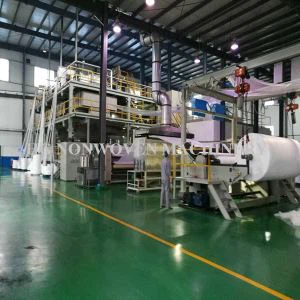
Hey there! I'm a supplier of China PP nonwoven fabric, and I often get asked about the regulations for exporting this stuff. So, I figured I'd write a blog post to share what I know and hopefully clear up any confusion you might have.
Understanding PP Nonwoven Fabric
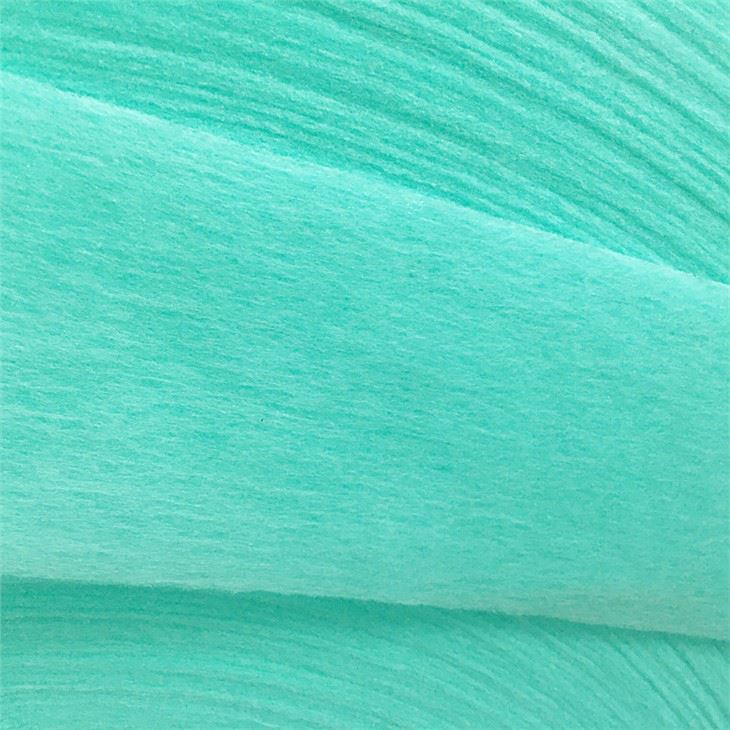
First off, let me quickly go over what PP nonwoven fabric is. PP stands for polypropylene, which is a type of plastic. Nonwoven fabric is made by bonding or interlocking fibers together, rather than weaving or knitting them. PP nonwoven fabric is lightweight, strong, and has good chemical resistance, which makes it super versatile. You can find it in all sorts of products, like baby diapers, medical masks, and shopping bags.
I've got some great products in my catalog. For instance, we have the SS 30gsm Non-woven Fabric For Baby Diaper. It's super soft and perfect for keeping those little bums dry. Also, our Nonwoven Fabric Materials For Diaper ADL Layer is designed to absorb and distribute liquids effectively, making it a key component in high - quality diapers. And for medical applications, our SMMS Nonwoven Fabric With AR/AS Treatment provides excellent protection.
Export Regulations from China
Product Quality and Standards
One of the most important things when exporting PP nonwoven fabric from China is meeting the quality and safety standards. China has its own set of national standards for nonwoven fabrics, like GB standards. These standards cover aspects such as physical properties (tensile strength, elongation), chemical composition, and hygiene requirements.
Before you can export, the product usually needs to pass quality inspections. You might need to get your fabric tested in a certified laboratory. They'll check things like the fiber content, the weight per square meter, and the colorfastness. If your product is for medical or sanitary use, there are even stricter requirements. For example, the fabric used in medical masks needs to meet certain filtration efficiency and bacterial filtration efficiency standards.
Documentation
Documentation is a big part of the exporting process. You'll need to prepare a bunch of papers to get your goods out of the country.
- Commercial Invoice: This is like a bill for the goods. It includes details such as the name and address of the buyer and seller, a description of the goods (quantity, quality, price), and the terms of payment.
- Packing List: It shows how the goods are packed. This includes the number of packages, the type of packaging (boxes, rolls, etc.), and the net and gross weight of each package.
- Certificate of Origin: This document proves where the goods are from. It can be important for customs clearance in the importing country. There are different types of certificates of origin, like the Generalized System of Preferences (GSP) certificate, which can give your goods preferential tariff treatment in some countries.
- Quality Inspection Certificate: As I mentioned before, if your goods pass the quality inspection, you'll get a certificate. This is essential, especially for countries that have strict quality control requirements.
Customs Clearance
Customs clearance is another crucial step. You need to declare your goods accurately to the Chinese customs. You'll need to provide information about the product, its value, quantity, and destination.
The customs will check your documentation and the goods themselves. They'll assess the tariff classification of your PP nonwoven fabric. Different types of nonwoven fabrics might fall into different tariff headings, and this will determine the amount of duty you need to pay.
Sometimes, there might be additional requirements or restrictions. For example, if your fabric contains certain chemicals, it might be subject to environmental regulations. You need to make sure you're aware of all these things to avoid any delays or problems at the border.
Import Regulations in the Destination Country
It's not just about getting the goods out of China. You also need to consider the import regulations in the destination country.
Standards and Certifications
Each country has its own set of standards for imported nonwoven fabrics. For example, the European Union has REACH (Registration, Evaluation, Authorization, and Restriction of Chemicals) regulations. This means that if you're exporting to the EU, your fabric needs to comply with these chemical safety rules.
The United States has its own standards too. The Food and Drug Administration (FDA) regulates nonwoven fabrics used in medical and food - contact applications. You might need to get FDA approval if you're selling products like medical gowns or food packaging made from PP nonwoven fabric.
Tariffs and Duties
Tariffs and duties can vary widely from country to country. Some countries might have free - trade agreements with China, which can reduce or eliminate the tariffs on your nonwoven fabric. On the other hand, some countries might impose high tariffs to protect their domestic industries.
You need to do your research and find out what the tariff rates are in the destination country. This will help you calculate the final cost of your product and set a competitive price in the market.

Tips for a Smooth Export Process
- Do Your Homework: Before you start exporting, spend some time researching the regulations in both China and the destination country. You can consult the customs authorities, trade associations, or even hire a customs broker to help you out.
- Build a Good Relationship with Suppliers: Make sure your suppliers are reliable and can provide you with high - quality products that meet the necessary standards. A good relationship can also help you deal with any issues that might come up during the production process.
- Stay Informed: Regulations can change over time. Keep an eye on any updates or new requirements that might affect your export business. Subscribe to industry newsletters or follow relevant government websites for the latest information.
Let's Connect!
If you're interested in buying our China PP nonwoven fabric, I'd love to talk to you. Whether you have questions about the products, the export regulations, or just want a quote, feel free to reach out. We're always here to help you get the best - quality nonwoven fabric at a competitive price. Let's start this business partnership and make some great things together!
References
- China Customs Regulations Handbook
- World Trade Organization (WTO) Publications on Trade in Textiles
- Export - Import Guides provided by the Chinese Chamber of Commerce