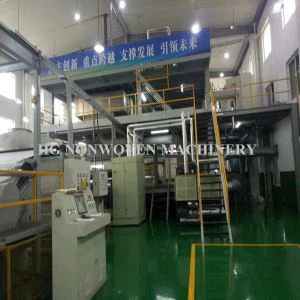
Hey there! As a supplier of SMS Pp Nonwoven Fabric, I often get asked about how this amazing material resists fading. Well, let's dive right in and explore the science behind it.
First off, let's understand what SMS Pp Nonwoven Fabric is. It's a type of nonwoven fabric made from polypropylene (PP). The "SMS" stands for Spunbond - Meltblown - Spunbond. This structure combines the strength of spunbond layers with the filtration and barrier properties of the meltblown layer in the middle.
The polypropylene used in SMS Pp Nonwoven Fabric is a key factor in its fade - resistance. PP itself has some intrinsic characteristics that make it less prone to fading. Polypropylene is a synthetic polymer that has a relatively stable chemical structure. Unlike some natural fibers, it doesn't have the same kind of chemical bonds that are easily broken down by sunlight, moisture, or chemicals.
Sunlight, especially the ultraviolet (UV) rays, is one of the main culprits when it comes to fabric fading. UV rays can break the chemical bonds in the fabric, causing the color to change. But polypropylene has a certain level of natural UV resistance. However, to enhance this resistance even more, we often add UV stabilizers during the manufacturing process.
These UV stabilizers work in different ways. Some of them absorb the UV radiation and convert it into heat, which is then dissipated. Others act as free - radical scavengers. When UV rays hit the fabric, they can create free radicals, which are highly reactive molecules that can damage the fabric's chemical structure. The free - radical scavengers react with these free radicals, neutralizing them before they can cause any harm to the fabric's color.
Another aspect that helps SMS Pp Nonwoven Fabric resist fading is the way the color is applied. In most cases, the color is added during the extrusion process when the polypropylene fibers are being formed. This is called solution - dyeing. Unlike surface - dyeing, where the color is just applied on the surface of the fabric, solution - dyeing means that the color is evenly distributed throughout the entire fiber. So, even if the surface of the fabric is slightly damaged over time, the color inside the fiber remains intact, and the fabric doesn't show significant fading.
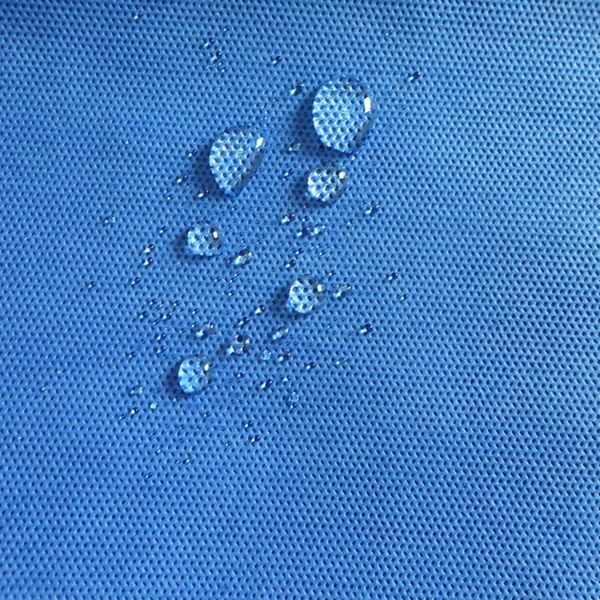
Moisture can also play a role in fabric fading. Some fabrics can absorb water, and the water can carry chemicals or pollutants that react with the fabric's color. But polypropylene is hydrophobic, which means it repels water. This property helps prevent water - related chemical reactions that could cause fading. It also means that the fabric dries quickly, reducing the time it's exposed to any potentially harmful substances that might be in the water.

Now, when it comes to chemical resistance, SMS Pp Nonwoven Fabric has an edge too. It can withstand a wide range of chemicals without significant color change. This is important because in many applications, the fabric might come into contact with various chemicals, such as cleaning agents or industrial solvents. The stable chemical nature of polypropylene makes it less likely to react with these chemicals, thus maintaining its color.
Let's talk about the durability of the fabric structure. The Spunbond - Meltblown - Spunbond construction gives the fabric a strong and stable structure. This structure helps protect the color from physical abrasion. When the fabric is rubbed against other surfaces, the structure prevents the color - carrying fibers from being easily worn away. This means that the color remains more intact over time, even in high - friction environments.
If you're in the market for high - quality nonwoven fabrics, we have a great range of products. Check out our Polypropylene Spun Bond Non Woven Fabric, PP Nonwoven Fabrics, and 100% PP Spunbond Non - woven Fabric For Hygiene. These products not only offer excellent fade - resistance but also have other great properties like high strength, good filtration, and barrier performance.
If you're interested in purchasing our SMS Pp Nonwoven Fabric or have any questions about our products, feel free to reach out. We're here to help you find the best nonwoven fabric solutions for your needs. We can provide samples, discuss pricing, and assist you with any customization requirements you might have. Whether you're in the hygiene, medical, or industrial field, we have the right fabric for you.
So, don't hesitate to get in touch and start a conversation about how our SMS Pp Nonwoven Fabric can meet your needs. Let's work together to make your projects a success!
References:
- Textile Chemistry and Coloration Volume I: Fundamentals of Color, John Wiley & Sons
- Handbook of Nonwovens, Woodhead Publishing Limited