Drapability is a crucial characteristic of non-woven fabrics, influencing their application in various fields such as fashion, home furnishings, and medical products. As a supplier of PP Spunbond Nonwoven Fabric Machine, I understand the significance of achieving the desired drapability for our customers. In this blog, I will share some insights on how to adjust the drapability of non-woven fabrics produced by our machines.
Understanding Drapability
Drapability refers to the ability of a fabric to fall and drape gracefully under its own weight. It is determined by several factors, including the fiber properties, fabric structure, and processing conditions. In the case of PP spunbond non-woven fabrics, the following aspects play a vital role in determining drapability:
- Fiber Denier: The fineness of the fibers affects the fabric's flexibility and drape. Finer fibers generally result in a softer and more drapeable fabric.
- Fabric Density: A lower fabric density allows for more movement between the fibers, enhancing drapability.
- Bonding Strength: The strength of the bonds between the fibers influences the fabric's stiffness. Weaker bonds can result in a more drapeable fabric.
- Fiber Orientation: The alignment of the fibers in the fabric can affect its drapability. Randomly oriented fibers tend to provide better drapability compared to highly aligned fibers.
Adjusting Drapability through Machine Settings
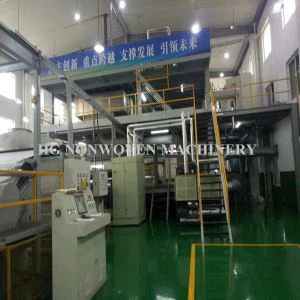
Our PP Spunbond Nonwoven Fabric Machine offers several adjustable parameters that can be optimized to achieve the desired drapability. Here are some key settings to consider:
- Extrusion Temperature: Adjusting the extrusion temperature can affect the melt viscosity of the polypropylene resin, which in turn influences the fiber fineness. Higher temperatures generally result in finer fibers, leading to a more drapeable fabric.
- Spinning Speed: The spinning speed determines the fiber diameter. A higher spinning speed can produce finer fibers, enhancing drapability.
- Airflow Rate: The airflow rate during the spinning process affects the fiber orientation and bonding. A higher airflow rate can help to randomize the fiber orientation, improving drapability.
- Bonding Pressure: Reducing the bonding pressure can result in weaker bonds between the fibers, increasing fabric flexibility and drapability.
Material Selection for Improved Drapability
In addition to machine settings, the choice of raw materials can also have a significant impact on the drapability of the non-woven fabric. Here are some considerations when selecting materials:
- Polypropylene Resin: Choose a polypropylene resin with a lower melt flow index (MFI) to produce finer fibers. Finer fibers contribute to a softer and more drapeable fabric.
- Additives: Incorporating additives such as plasticizers or lubricants can improve the flexibility of the non-woven fabric, enhancing drapability.
- Blending Fibers: Blending different types of fibers, such as polyester or viscose, with polypropylene can modify the fabric's properties and improve drapability.
Post-Processing Techniques
After the non-woven fabric is produced, post-processing techniques can be employed to further enhance its drapability. Here are some common methods:
- Calendering: Calendering involves passing the fabric through a series of heated rollers to compress and smooth the surface. This process can improve the fabric's softness and drapability.
- Chemical Treatment: Treating the fabric with chemicals such as softeners or anti-static agents can enhance its flexibility and reduce stiffness, improving drapability.
- Mechanical Treatment: Mechanical treatments such as brushing or sanding can loosen the fibers and improve the fabric's drape.
Quality Control and Testing
To ensure consistent drapability in the non-woven fabrics produced by our machines, it is essential to implement a comprehensive quality control system. This includes regular testing of the fabric's physical properties, such as fiber diameter, fabric density, and bonding strength. Additionally, subjective evaluations of drapability can be conducted by trained personnel to ensure that the fabric meets the desired standards.
Conclusion
Adjusting the drapability of non-woven fabrics produced by a PP Spunbond Nonwoven Fabric Machine requires a combination of optimized machine settings, careful material selection, and appropriate post-processing techniques. As a Nonwoven Fabric Making Machine Suppllier, we are committed to providing our customers with high-quality machines and technical support to help them achieve the desired fabric properties.
If you are interested in PP Non Woven Fabric Making Machine or PP Nonwoven Fabric Equipment to produce non-woven fabrics with excellent drapability, please feel free to contact us for more information. Our team of experts is ready to assist you in finding the best solutions for your specific needs.


References
- ASTM D1388 - Standard Test Method for Stiffness of Fabrics
- ISO 9073 - Textiles -- Test methods for nonwovens
- "Nonwoven Fabrics: Raw Materials, Manufacture, Applications, Characteristics, and Testing" by A. R. Horrocks and S. C. Anand