
Cleaning SMS nonwoven fabric is a crucial aspect, especially when considering its wide - ranging applications. As a leading supplier of SMS Nonwoven Fabric, I am well - versed in the properties of this fabric and the best ways to keep it clean.
Understanding SMS Nonwoven Fabric
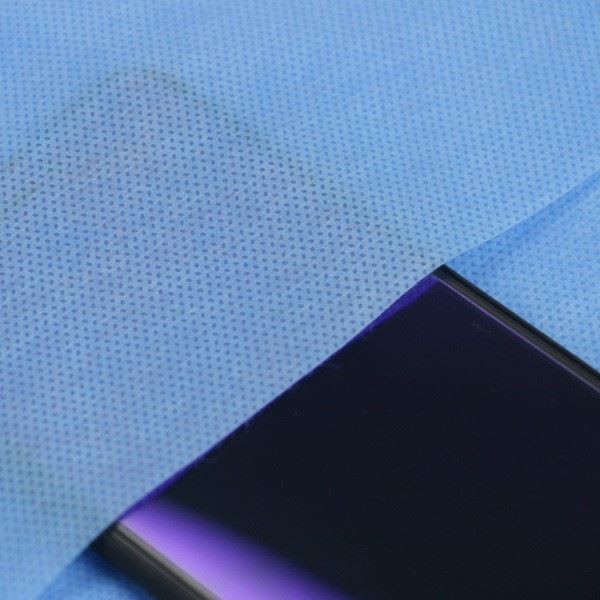
SMS nonwoven fabric is a composite material that combines spunbond (S) and melt - blown (M) layers. The spunbond layers provide strength and durability, while the melt - blown layer offers excellent filtration properties. This makes SMS nonwoven fabric suitable for various fields such as medical, hygiene, and household use. For instance, in the medical industry, it is commonly used in surgical gowns, masks, and drapes. In the household, products like Spunbond Nonwoven Fabric For Foldable Wardrobe 50 - 100 Gsm and Disposable SS Spunbond Non - woven Fabric For Bed Sheets are made from related nonwoven fabrics.
Factors Affecting Cleaning
Before diving into the cleaning methods, it is essential to understand the factors that can affect the cleaning process.

- Type of Contaminant: Different contaminants require different cleaning approaches. For example, if the SMS nonwoven fabric is soiled with dust, a simple vacuuming or air blowing might be sufficient. However, if it is stained with grease or blood (common in medical applications), more intensive cleaning methods are needed.
- Fabric Composition: The ratio of spunbond to melt - blown layers and the specific polymers used can influence how the fabric reacts to cleaning agents. Some polymers may be more resistant to certain chemicals, while others may degrade.
- End - Use of the Product: Products used in different environments have varying levels of exposure to contaminants. A medical gown used in a surgical setting will need a more rigorous cleaning process compared to a nonwoven fabric used in a foldable wardrobe.
Cleaning Methods
Dry Cleaning
- Vacuuming: This is a simple and effective method for removing loose dust and debris. Use a vacuum cleaner with a soft - bristle attachment to avoid damaging the fabric. Gently move the attachment over the surface of the SMS nonwoven fabric. This method is suitable for products like PP Spunbond Nonwoven Fabric Roll before further processing or storage.
- Air Blowing: Compressed air can be used to dislodge fine particles from the fabric surface. Hold the fabric in a well - ventilated area and direct a stream of compressed air across it. This is particularly useful for removing lint or small fibers that may have adhered to the fabric.
Wet Cleaning
- Mild Detergent Soaking: For light stains, soak the SMS nonwoven fabric in a solution of mild liquid detergent and lukewarm water. The detergent should be free of harsh chemicals that could damage the fabric. Gently agitate the fabric in the solution for a few minutes, then rinse thoroughly with clean water. Avoid wringing the fabric, as this can cause damage. Instead, gently press out the excess water.
- Enzyme - Based Cleaners: In cases where the fabric is stained with organic matter such as blood or food, enzyme - based cleaners can be very effective. These cleaners work by breaking down the organic molecules in the stain. Follow the manufacturer's instructions for dilution and application. After treating with the enzyme cleaner, rinse the fabric thoroughly.
Special Considerations for Medical and Hygiene Applications
In the medical and hygiene sectors, SMS nonwoven fabric must meet strict cleanliness and sterilization standards.
- Sterilization: After cleaning, the fabric may need to be sterilized. Common sterilization methods include autoclaving (using steam under pressure), gamma irradiation, and ethylene oxide gas treatment. Each method has its advantages and disadvantages, and the choice depends on the specific requirements of the product.
- Quality Control: Regular quality control checks should be performed to ensure that the cleaned and sterilized fabric meets the necessary standards. This may include testing for microbial contamination, physical properties such as strength and filtration efficiency.
Precautions During Cleaning
- Test on a Small Area: Before applying any cleaning agent to the entire fabric, test it on a small, inconspicuous area. This helps to ensure that the fabric does not react negatively to the cleaner.
- Avoid Abrasive Materials: Do not use abrasive sponges, brushes, or scrubbers on the SMS nonwoven fabric, as they can damage the delicate fibers and reduce the fabric's performance.
- Proper Drying: After wet cleaning, dry the fabric properly. Avoid direct sunlight, as it can cause the fabric to fade or degrade. Instead, dry the fabric in a well - ventilated area at room temperature.
Conclusion
Cleaning SMS nonwoven fabric is a multi - faceted process that requires careful consideration of the fabric's properties, the type of contaminants, and the end - use of the product. By following the appropriate cleaning methods and taking necessary precautions, you can ensure that the fabric maintains its performance and longevity.
If you are in the market for high - quality SMS Nonwoven Fabric or have any questions about its cleaning and usage, we are here to help. Our team of experts can provide you with detailed information and guidance. Feel free to reach out to us for a consultation and to start a procurement discussion. We look forward to working with you to meet your nonwoven fabric needs.
References
- ASTM International. (Year). Standards related to nonwoven fabric properties and testing.
- Textile Research Journal. Various issues on nonwoven fabric research.


