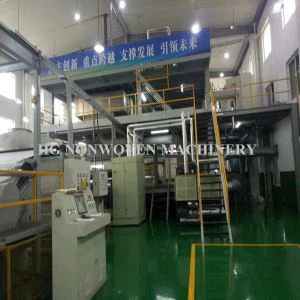
Hey there! I'm a supplier of Composite Nonwoven Fabric Machines, and I've been in this industry for quite a while. One of the most common questions I get from factory owners is how to optimize the layout of these machines in their factories. Well, I'm here to share some tips and tricks that I've picked up over the years.
First things first, let's talk about why optimizing the layout of your Composite Nonwoven Fabric Machine is so important. A well - designed layout can improve efficiency, reduce costs, and enhance safety in your factory. It can also make it easier for your workers to operate the machines and perform maintenance tasks.
1. Assess Your Factory Space
The very first step is to take a good look at your factory space. Measure the length, width, and height of the area where you plan to install the machines. Consider any existing structures, such as columns, walls, or doors, that might affect the placement of the machines. You also need to think about the flow of materials and workers in the factory. For example, you want to make sure that raw materials can be easily transported to the machines and that finished products can be quickly moved out of the production area.
2. Consider the Machine's Size and Function
Composite Nonwoven Fabric Machines come in different sizes and have various functions. Some machines are larger and more complex, while others are smaller and more compact. You need to choose the right machine for your production needs and then plan the layout accordingly.
Let's say you're interested in a SSS PP Nonwoven Fabric Making Machine. This machine is designed to produce high - quality PP nonwoven fabrics. It has specific requirements for installation, such as a certain amount of floor space and proper ventilation. Make sure you leave enough room around the machine for operators to move freely and for maintenance work.
If you're looking into a PET Non Woven Fabric Machine, it might have different operating conditions. Maybe it needs a more stable power supply or a specific temperature and humidity environment. You should take these factors into account when deciding where to place the machine in the factory.
3. Create a Logical Production Flow
A logical production flow is crucial for optimizing the layout of your Composite Nonwoven Fabric Machine. The flow should start from the input of raw materials and end with the output of finished products. You can divide the production process into different stages, such as material preparation, machine operation, and product inspection.


Arrange the machines in a sequence that follows this production flow. For example, place the material feeding equipment near the entrance of the raw materials, and then position the main production machine next to it. After the fabric is produced, have an inspection area nearby to check the quality of the products. This way, you can minimize the movement of materials and workers, which saves time and energy.
4. Ensure Safety and Accessibility
Safety should always be a top priority in the factory. When laying out the Composite Nonwoven Fabric Machine, make sure there are clear walkways and emergency exits. Keep the machines away from areas where there might be a high risk of fire or explosion, such as storage areas for flammable materials.
Also, ensure that all parts of the machine are easily accessible for maintenance and repair. You don't want to have to disassemble half of the factory just to reach a small component that needs fixing. Provide enough space around the machine for workers to use tools and perform routine checks.
5. Think About Future Expansion
Your factory might grow in the future, and you may need to add more machines or expand your production capacity. When planning the layout of your current Composite Nonwoven Fabric Machine, leave some extra space for future expansion. This could mean leaving an open area at one end of the production floor or designing the layout in a modular way so that new machines can be easily integrated.
6. Use Technology to Your Advantage
There are many software tools available that can help you design the layout of your factory. These tools allow you to create a 3D model of the factory and test different machine placement scenarios. You can visualize how the machines will fit into the space and how the production flow will work.
Some advanced software can even simulate the operation of the machines and predict potential bottlenecks in the production process. By using these tools, you can make more informed decisions about the layout and avoid costly mistakes.
7. Train Your Workers
Even with the best - designed layout, your workers need to know how to operate the machines efficiently. Provide comprehensive training to your employees on the layout of the factory, the functions of the machines, and the safety procedures. Make sure they understand the importance of following the production flow and keeping the work area clean and organized.
8. Evaluate and Adjust
Once you've installed the Composite Nonwoven Fabric Machine and started production, regularly evaluate the layout. Look for any areas where the production process could be improved, such as long material transportation distances or frequent worker congestion. Based on your evaluation, make adjustments to the layout as needed.
In conclusion, optimizing the layout of a Composite Nonwoven Fabric Machine in the factory is a complex but rewarding process. By following these tips, you can create a more efficient, safe, and productive work environment.
If you're interested in purchasing a Composite Nonwoven Fabric Machine or need more advice on factory layout optimization, feel free to reach out. We're always here to help you make the best decisions for your business. Whether you're looking for a SSS PP Nonwoven Fabric Making Machine, a PET Non Woven Fabric Machine, or a PP Melt Blown Non Woven Fabric Machine, we've got you covered.
References
- Industry best practices for factory layout design
- Technical manuals of Composite Nonwoven Fabric Machines