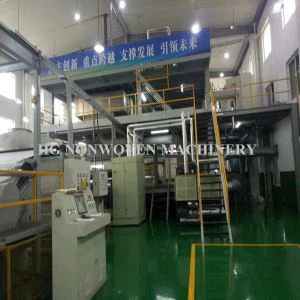
Hey there! As a supplier of a PP Nonwoven Fabric Plant, I'm super excited to chat with you about the ventilation systems in our plant. Ventilation is a big deal in a place like ours, and it's not just about keeping the air fresh. It's about ensuring the quality of our products, the safety of our workers, and the overall efficiency of our operations.
First off, let's talk about why ventilation is so crucial in a PP nonwoven fabric plant. PP, or polypropylene, is the main material we use to make nonwoven fabrics. During the production process, there are a bunch of things going on that can generate heat, dust, and fumes. For example, when we melt the PP pellets to form the fibers, it releases some volatile organic compounds (VOCs). These VOCs can be harmful to our workers' health if they're exposed to them for a long time. Plus, the heat generated from the melting and spinning processes can make the working environment really uncomfortable. That's where a good ventilation system comes in.
There are a few different types of ventilation systems we use in our plant, and each one has its own unique role.
Natural Ventilation
Natural ventilation is the simplest and most cost - effective way to get fresh air into the plant. We have large windows and vents installed in strategic locations around the building. When the weather is nice, we can open these windows and vents to let the outside air in and the hot, stale air out. It's a great way to reduce our energy consumption because we're not relying on mechanical systems to move the air. However, natural ventilation has its limitations. It depends on the weather conditions, and it might not be enough to remove all the pollutants and heat from the plant, especially during the hot summer months or when we're running our production lines at full capacity.
Mechanical Ventilation
To make up for the limitations of natural ventilation, we also use mechanical ventilation systems. These systems use fans and ducts to move air in and out of the plant. There are two main types of mechanical ventilation we use: exhaust ventilation and supply ventilation.
Exhaust Ventilation
Exhaust ventilation is all about getting rid of the bad stuff. We have exhaust fans installed near the sources of pollution, like the melting and spinning machines. These fans suck the hot air, dust, and fumes out of the plant and expel them outside. By removing these pollutants at the source, we can prevent them from spreading throughout the plant and affecting the air quality in other areas. The exhaust ducts are designed to capture as much of the pollutants as possible, and they're connected to air filters to remove any solid particles before the air is released outside. This helps us meet environmental regulations and reduce our impact on the surrounding area.
Supply Ventilation
Supply ventilation, on the other hand, is about bringing fresh air into the plant. We have supply fans that draw in outside air, filter it to remove any dust and debris, and then distribute it throughout the plant using a network of ducts. This fresh air helps to dilute the pollutants and cool down the working environment. We can control the amount of fresh air being supplied based on the size of the plant, the number of workers, and the production rate. This way, we can ensure that our workers always have a comfortable and healthy working environment.
Local Exhaust Ventilation
In addition to the general exhaust and supply ventilation systems, we also use local exhaust ventilation (LEV) systems. These systems are designed to capture pollutants right at the source, providing a more targeted approach to ventilation. For example, we have LEV systems installed directly on the spinning heads of our Nonwoven Fabric Production Line. These systems use hoods and ducts to capture the fine fibers and fumes that are generated during the spinning process. By removing these pollutants at the source, we can prevent them from spreading into the general work area and causing health problems for our workers. LEV systems are very effective, but they require regular maintenance to ensure that they're working properly.
Air Conditioning and Ventilation
We also have air conditioning systems in our plant, which are closely integrated with our ventilation systems. The air conditioning units help to control the temperature and humidity inside the plant, creating a more stable environment for the production process. The ventilation systems work in tandem with the air conditioning units to ensure that the cooled air is distributed evenly throughout the plant. This is especially important because the quality of the nonwoven fabrics can be affected by temperature and humidity. For example, if the humidity is too high, the fibers might stick together, which can lead to defects in the final product.
Benefits of a Good Ventilation System
The benefits of having a well - designed ventilation system in our PP nonwoven fabric plant are numerous.
Worker Health and Safety
First and foremost, a good ventilation system protects the health and safety of our workers. By removing the harmful pollutants and heat from the working environment, we can reduce the risk of respiratory problems, skin irritation, and other health issues. Our workers can focus on their jobs without having to worry about the negative effects of the pollutants in the air.
Product Quality
A proper ventilation system also helps to maintain the quality of our products. As I mentioned earlier, temperature and humidity can have a big impact on the properties of the nonwoven fabrics. By controlling these factors through our ventilation and air conditioning systems, we can ensure that our products meet the high standards that our customers expect.
Energy Efficiency
Our ventilation systems are designed to be as energy - efficient as possible. We use variable - speed fans and energy - recovery systems to reduce our energy consumption. For example, the energy - recovery systems can capture the heat from the exhaust air and use it to pre - heat the incoming fresh air. This not only saves energy but also reduces our operating costs.


Conclusion
So, there you have it! That's a rundown of the ventilation systems in our PP nonwoven fabric plant. As you can see, ventilation is a complex but essential part of our operations. It's not just about making the air smell nice; it's about protecting our workers, ensuring the quality of our products, and running a sustainable and efficient business.
If you're in the market for a Female Hygiene Nonwoven Fabric Production Line or a PP Spunbond Production Line For Nonwoven Fabric, we'd love to have a chat with you. We have years of experience in the industry, and we're confident that we can provide you with the best solutions for your production needs. Whether you have questions about our ventilation systems or our production lines, don't hesitate to reach out. We're here to help you take your nonwoven fabric production to the next level.
References
- "Industrial Ventilation: A Manual of Recommended Practice", American Conference of Governmental Industrial Hygienists.
- "Nonwoven Fabric Handbook", Elsevier.