
Yo, what's up everyone! As a supplier of Pp Nonwoven Machines, I often get asked about the color fastness of non - woven fabrics produced by these machines. So, today, I'm gonna break it down for you in a way that's easy to understand.
First off, let's talk about what color fastness is. Simply put, color fastness refers to how well a fabric can retain its color when it's exposed to different conditions like washing, light, rubbing, and so on. For non - woven fabrics made by Pp Nonwoven Machines, color fastness is super important. Whether it's for shopping bags, medical supplies, or home decor, you want the color to stay vibrant and not fade easily.
Factors Affecting Color Fastness
There are several factors that can influence the color fastness of non - woven fabrics produced by our Pp Nonwoven Machines.
1. Quality of Pigments
The pigments used in the production of colored non - woven fabrics play a huge role. High - quality pigments are more likely to have better color fastness. They're designed to bond well with the polypropylene fibers in the non - woven fabric, making them resistant to fading. When we manufacture our Polypropylene Nonwoven Fabric Making Machine, we take into account the need to work with different types of pigments. The machine can be adjusted to ensure proper dispersion of pigments throughout the fabric, which helps improve color fastness.

2. Manufacturing Process
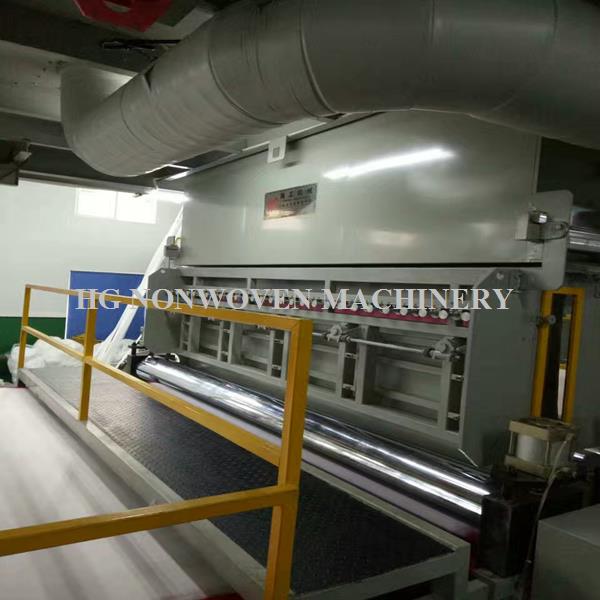
The way the non - woven fabric is made also affects color fastness. Our Pp Nonwoven Machines use advanced spinning and bonding techniques. During the spinning process, the polypropylene pellets are melted and extruded into fine fibers. If this process is not done correctly, the pigments may not be evenly distributed in the fibers, leading to poor color fastness. Our machines are calibrated to ensure a consistent and uniform spinning process, which is crucial for good color fastness.
The bonding process is another key step. Whether it's thermal bonding, chemical bonding, or mechanical bonding, the method used can impact how well the color holds up. Our machines are versatile and can use different bonding methods depending on the specific requirements of the fabric. For example, thermal bonding can create a strong bond between the fibers, which in turn can help keep the pigments in place and improve color fastness.
3. Environmental Conditions
The environment in which the non - woven fabric is used and stored can have a big impact on color fastness. Exposure to sunlight is one of the main culprits. Ultraviolet (UV) rays in sunlight can break down the chemical bonds in the pigments, causing them to fade. If you're using non - woven shopping bags made by our PP Nonwoven Fabric Line for Shopping Bag, and they're left out in the sun for long periods, the color will start to fade.
Humidity and temperature can also affect color fastness. High humidity can cause the pigments to dissolve or migrate within the fabric, while extreme temperatures can damage the structure of the fibers and the pigments.
Testing Color Fastness
To ensure that the non - woven fabrics produced by our Pp Nonwoven Machines meet high standards of color fastness, we conduct various tests.
1. Washing Test
We simulate the washing process to see how the fabric's color holds up. The fabric is washed multiple times using a standard washing procedure. After each wash, we check for any signs of color loss, such as fading or bleeding. This test helps us determine how well the fabric will withstand regular laundering if it's used in products like reusable shopping bags or home textiles.
2. Light Test
We expose the fabric to artificial sunlight in a light - testing chamber. This allows us to accelerate the effects of sunlight exposure and see how quickly the color fades. By measuring the change in color over a specific period, we can assess the fabric's light fastness.
3. Rubbing Test
In a rubbing test, we rub the fabric against a standard rubbing cloth to see if any color transfers. This test is important for fabrics that may come into contact with other surfaces during use, like in the case of non - woven upholstery or clothing.
Improving Color Fastness
If you're looking to improve the color fastness of the non - woven fabrics produced by our machines, here are some tips.
1. Choose High - Quality Pigments
Invest in good - quality pigments that are specifically designed for use in polypropylene non - woven fabrics. These pigments are more likely to have better resistance to fading and other color - related issues.
2. Optimize the Manufacturing Process
Work closely with our technical team to optimize the settings of our S Spunbond Nonwoven Fabric Making Machine. We can help you adjust the spinning speed, temperature, and bonding parameters to ensure the best possible color fastness.
3. Use UV Stabilizers
If the fabric is going to be exposed to sunlight, consider adding UV stabilizers during the manufacturing process. These stabilizers can help protect the pigments from the harmful effects of UV rays and extend the fabric's color life.
Conclusion
In conclusion, the color fastness of non - woven fabrics produced by our Pp Nonwoven Machines is influenced by many factors, including the quality of pigments, the manufacturing process, and environmental conditions. By understanding these factors and taking appropriate measures, you can ensure that the non - woven fabrics you produce have excellent color fastness.
If you're in the market for a Pp Nonwoven Machine and want to produce high - quality non - woven fabrics with great color fastness, don't hesitate to reach out. We're here to help you with all your non - woven fabric production needs. Whether you're a small business looking to start making shopping bags or a large manufacturer in the medical industry, our machines can meet your requirements. Let's have a chat and see how we can work together to achieve your goals.
References
- ASTM International. "Standard Test Methods for Color Fastness of Textiles."
- ISO (International Organization for Standardization). "ISO Standards Related to Textile Color Fastness."


