In the realm of modern filtration technology, meltblown nonwoven fabric stands out as a pivotal material, particularly in the filtration of fine particles. As a leading supplier of meltblown nonwoven fabric, I've witnessed firsthand its significant impact across various industries. This article delves into the unique properties of meltblown nonwoven fabric and its crucial role in filtering fine particles.
Understanding Meltblown Nonwoven Fabric
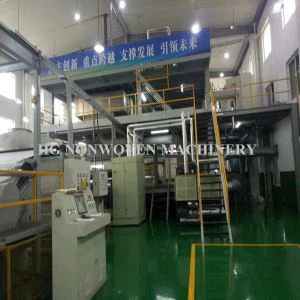
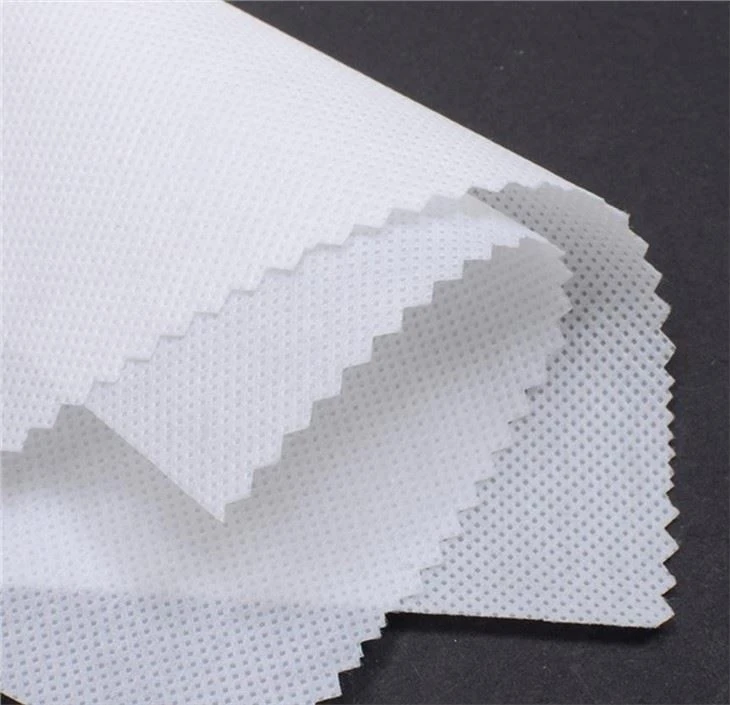
Meltblown nonwoven fabric is produced through a specialized manufacturing process. In this process, polymer resin is melted and then extruded through a die under high - speed hot air flow. The high - velocity air stream attenuates the molten polymer filaments into extremely fine fibers, which are randomly deposited on a collector screen to form a web - like structure. The resulting fabric is characterized by its fine fiber diameter, typically ranging from 1 to 10 micrometers, and a high surface area - to - volume ratio.
These fine fibers are the key to the fabric's excellent filtration performance. The small diameter of the fibers creates a dense and tortuous pore structure within the fabric. This structure allows the fabric to effectively capture fine particles through a combination of mechanical interception, inertial impaction, diffusion, and electrostatic attraction.
How Meltblown Nonwoven Fabric Filters Fine Particles
Mechanical Interception
When a fluid containing fine particles flows through the meltblown nonwoven fabric, larger particles are simply blocked by the fibers. The physical barriers created by the randomly arranged fibers prevent these particles from passing through. For example, in applications such as air filters for industrial settings, dust particles larger than the pore size of the fabric are mechanically intercepted, thus removing them from the air stream.

Inertial Impaction
As the fluid changes direction while flowing through the fabric's complex pore structure, particles with larger inertia are unable to follow the fluid path. Instead, they collide with the fibers and are captured. This mechanism is particularly effective for capturing particles in the size range of 0.5 to 5 micrometers. In automotive cabin air filters, inertial impaction helps in removing pollen grains and some types of dust that are carried in the intake air.
Diffusion
Fine particles, especially those in the sub - micrometer range, exhibit random motion due to Brownian motion. This random movement increases the likelihood of these particles coming into contact with the fibers of the meltblown nonwoven fabric. Once in contact, the particles adhere to the fibers. In applications where high - efficiency filtration of ultrafine particles is required, such as in semiconductor cleanrooms, diffusion plays a crucial role in ensuring a particle - free environment.
Electrostatic Attraction
Meltblown nonwoven fabrics can be engineered to have an electrostatic charge. Electrostatic charges on the fibers enhance the fabric's ability to attract and capture fine particles. Charged particles in the fluid are attracted to the oppositely charged fibers, and even neutral particles can be polarized and then attracted to the charged fibers. This is highly effective for filtering sub - micrometer particles, and it significantly improves the filtration efficiency without increasing the airflow resistance. In face masks, electrostatically charged meltblown nonwoven fabric can effectively capture small virus - carrying aerosols.
Applications in Different Industries
Medical and Healthcare
In the medical field, meltblown nonwoven fabric is widely used in surgical masks, N95 respirators, and other protective equipment. These masks need to filter out fine particles such as virus - laden droplets and airborne bacteria. The high filtration efficiency of meltblown nonwoven fabric, combined with its ability to provide a comfortable fit, makes it an ideal material for protecting healthcare workers and patients. For example, N95 respirators are designed to filter out at least 95% of airborne particles with a diameter of 0.3 micrometers, and the meltblown layer is the key component responsible for achieving this high - level filtration.
Air Filtration
In HVAC (Heating, Ventilation, and Air Conditioning) systems, meltblown nonwoven fabric is used to improve indoor air quality. It can capture dust, pollen, mold spores, and other fine particles, preventing them from circulating in the indoor environment. Industrial air filters also rely on meltblown technology to remove particulate pollutants from the air, protecting workers' health and ensuring the proper functioning of equipment. Nonwoven Machine Thermobond Fabric Production Line can be used to produce high - quality nonwoven materials for air filtration applications.
Liquid Filtration
In the liquid filtration industry, meltblown nonwoven fabric is used to filter contaminants from various liquids, such as water, oil, and chemicals. In water treatment plants, it can remove sediment, rust, and other suspended solids, improving the clarity and purity of the water. In the automotive industry, oil filters made with meltblown nonwoven fabric can capture fine metal particles and contaminants, protecting the engine from wear and damage.
Our Offerings as a Meltblown Nonwoven Fabric Supplier
As a professional meltblown nonwoven fabric supplier, we are committed to providing high - quality products. Our meltblown nonwoven fabrics are manufactured using state - of - the - art technology and strict quality control measures. We offer a wide range of products with different specifications, including different basis weights, fiber diameters, and porosity levels, to meet the diverse needs of our customers.
Whether you need meltblown nonwoven fabric for medical applications, air filtration, or liquid filtration, we have the right solution for you. Our products have been tested and certified to meet international quality standards, ensuring reliable performance in various filtration scenarios. In addition to our standard products, we also provide customized solutions according to your specific requirements.
If you are interested in PP Spun Bond Nonwoven Fabric For Shopping Bag or SMS PP Non Woven Fabric, we also have a comprehensive product line to meet your demands.
Conclusion and Call to Action
Meltblown nonwoven fabric plays an indispensable role in the filtration of fine particles across multiple industries. Its unique structure and filtration mechanisms make it a highly effective material for protecting human health and ensuring the proper operation of various systems.
If you are in need of high - quality meltblown nonwoven fabric or have any questions about our products, please don't hesitate to contact us. We look forward to discussing your specific requirements and providing you with the best solutions. We believe that our products and services will meet your expectations and contribute to the success of your business.
References
- Brown, R. C. (2000). Introduction to Aerosol Science. Wiley - VCH.
- Hinds, W. C. (1999). Aerosol Technology: Properties, Behavior, and Measurement of Airborne Particles. Wiley - Interscience.
- Lee, K. W., & Liu, B. Y. H. (1980). Fine - particle collection mechanisms for fibrous filters. Aerosol Science and Technology, 1(2), 92 - 111.