
Hey there! As a supplier of PP Nonwoven Fabric Roll, I often get asked about the shrinkage rate of these rolls. So, I thought I'd dive into this topic and share some insights with you all.

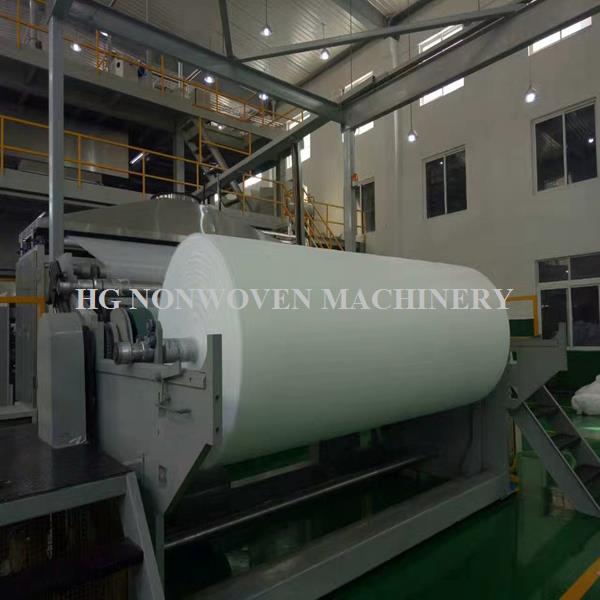
First off, let's understand what shrinkage rate means. In simple terms, the shrinkage rate of a PP nonwoven fabric roll refers to the percentage of reduction in its size (length, width, or both) after it goes through certain processes like heating, washing, or long - term storage. It's a crucial factor to consider, especially for those who are using these fabrics in various applications.
Factors Affecting the Shrinkage Rate
1. Manufacturing Process
The way the PP nonwoven fabric is made has a huge impact on its shrinkage rate. During the production, if the fibers are not properly aligned or bonded, the fabric is more likely to shrink. For instance, in the spunbond process, where continuous filaments are laid down to form the fabric, if the cooling and stretching steps are not well - controlled, the internal stress within the fabric can cause shrinkage later on.
2. Temperature and Humidity
Temperature and humidity play a significant role. PP nonwoven fabrics are sensitive to heat. When exposed to high temperatures, the polymer chains in the fabric start to relax and contract, leading to shrinkage. Similarly, changes in humidity can also cause the fabric to expand or contract. For example, if a fabric roll is stored in a very humid environment, it might absorb moisture, which can affect its dimensions.
3. Chemical Treatments
Sometimes, the fabric is treated with chemicals for various purposes like making it water - repellent or flame - retardant. These chemical treatments can alter the structure of the fabric and increase its shrinkage rate. If the chemicals are not compatible with the PP polymer or if the treatment process is not optimized, the fabric may shrink more than expected.
Measuring the Shrinkage Rate
To measure the shrinkage rate of a PP nonwoven fabric roll, you need to follow a few steps. First, measure the initial length and width of a sample of the fabric accurately. Then, subject the sample to the conditions that it is likely to encounter in its end - use. For example, if it's going to be used in a hot environment, heat the sample in an oven at the appropriate temperature for a set period.
After the treatment, let the sample cool down to room temperature and then measure its length and width again. The shrinkage rate can be calculated using the following formula:
Shrinkage Rate (%) = [(Initial Dimension - Final Dimension) / Initial Dimension] x 100
Let's say the initial length of a fabric sample is 100 cm, and after heating, the final length is 95 cm. The shrinkage rate for the length would be [(100 - 95) / 100] x 100 = 5%.
Typical Shrinkage Rates
The shrinkage rate of PP nonwoven fabric rolls can vary widely depending on the factors mentioned above. Generally, for untreated PP nonwoven fabrics, the shrinkage rate in the machine direction (the direction in which the fabric is produced) can range from 1% to 5% when exposed to normal use conditions. In the cross - machine direction, it might be slightly lower, around 0.5% to 3%.
However, if the fabric has been treated with chemicals or is used in extreme conditions, the shrinkage rate can be much higher. For example, in some high - temperature applications, the shrinkage rate can go up to 10% or even more.
Importance of Shrinkage Rate in Different Applications
1. Hygiene Products
In the production of hygiene products like diapers and sanitary napkins, the shrinkage rate is crucial. If the fabric shrinks too much, it can affect the fit and performance of the product. For example, a diaper that shrinks after being worn for a while might become too tight and cause discomfort to the user.
2. SMS Nonwoven Fabric for Surgical Gown
When it comes to surgical gowns made from SMS Non Woven Fabric, a low shrinkage rate is essential. Surgical gowns need to maintain their shape and size during sterilization processes, which often involve high temperatures and steam. If the fabric shrinks, it can compromise the integrity of the gown and increase the risk of contamination.
3. Packaging
For packaging applications, the shrinkage rate can affect the appearance and functionality of the package. If a PP nonwoven fabric used for packaging shrinks, it might not fit properly around the product, or it could cause the package to look wrinkled and unappealing.
Controlling the Shrinkage Rate
As a supplier of PP Nonwoven Fabric Roll, we take several measures to control the shrinkage rate.
1. Quality Control in Production
We have strict quality control measures during the manufacturing process. We carefully monitor the temperature, speed, and tension during the production to ensure that the fibers are well - aligned and bonded. This helps in reducing the internal stress within the fabric and minimizing shrinkage.
2. Post - Treatment Processes
We also use post - treatment processes like heat setting. Heat setting involves heating the fabric to a specific temperature and holding it there for a certain time to stabilize the structure of the fabric. This can significantly reduce the shrinkage rate in subsequent use.
3. Storage and Handling
Proper storage and handling are also important. We store our fabric rolls in a controlled environment with stable temperature and humidity. This helps in preventing any unnecessary shrinkage before the fabric reaches our customers.
Conclusion
In conclusion, the shrinkage rate of PP nonwoven fabric rolls is an important characteristic that can affect its performance in various applications. As a supplier, we understand the significance of this factor and take all the necessary steps to ensure that our products have a low and consistent shrinkage rate.
If you're in the market for high - quality PP nonwoven fabric rolls with controlled shrinkage rates, we'd love to hear from you. Whether you're using the fabric for hygiene products, surgical gowns, or packaging, we can provide you with the right solution. Feel free to reach out to us for more information and to start a procurement discussion.
References
- ASTM D2259 - Standard Test Method for Shrinkage of Nonwoven Fabrics
- Textile Institute - Handbook of Nonwoven Fabric Production


