
Nonwoven fabrics have become an integral part of the hygiene industry, finding extensive use in products such as diapers, sanitary napkins, and adult incontinence products. As a leading supplier of nonwoven for hygiene, I am excited to share the process of how these essential materials are produced.
Raw Materials Selection
The production of nonwoven for hygiene starts with the careful selection of raw materials. Polypropylene (PP) is the most commonly used polymer due to its excellent properties such as high strength, good chemical resistance, and low cost. We source high - quality polypropylene resins from reliable suppliers. These resins come in pellet form and are the building blocks of our nonwoven fabrics.
The choice of polypropylene grade is crucial as it affects the final properties of the nonwoven fabric. For instance, different melt flow rates of polypropylene can result in fabrics with varying fiber diameters and mechanical properties. We ensure that the raw materials meet strict quality standards to produce nonwoven fabrics that are safe and effective for hygiene applications.
Extrusion Process
Once the raw materials are selected, the next step is the extrusion process. The polypropylene pellets are fed into an extruder, which is a large machine with a heated barrel. Inside the extruder, the pellets are melted under high temperature and pressure. The molten polypropylene is then forced through a spinneret, which is a plate with numerous tiny holes.
As the molten polymer passes through the spinneret, it forms fine filaments. The diameter of these filaments can be controlled by adjusting the size of the holes in the spinneret and the processing parameters such as the extrusion rate and temperature. The filaments are then cooled rapidly by a stream of cold air, solidifying them into continuous fibers.
Web Formation
After the fibers are formed, they need to be assembled into a web. There are several methods for web formation, and the most common one for hygiene nonwovens is the spunbond process. In the spunbond process, the newly formed fibers are directly laid onto a moving conveyor belt to form a random web.
The fibers in the web are held together by mechanical entanglement, which occurs as the fibers fall onto the conveyor belt and interact with each other. This entanglement gives the web an initial strength. Another important web - forming method is the meltblown process. In the meltblown process, high - velocity hot air is used to attenuate the molten polymer streams as they exit the spinneret, resulting in very fine fibers. These fine fibers are then deposited onto a collector to form a web.
For some applications, a combination of spunbond and meltblown layers is used. For example, a SMS (spunbond - meltblown - spunbond) structure provides a good balance of strength and barrier properties. Our Nonwoven Fabric Materials For Diaper ADL Layer often utilize such composite structures to meet the specific requirements of diaper design.
Bonding
The web formed in the previous step has some initial strength, but it needs to be further bonded to achieve the desired mechanical properties. There are several bonding methods available, including thermal bonding, chemical bonding, and ultrasonic bonding.
Thermal bonding is one of the most widely used methods for nonwoven for hygiene. In thermal bonding, the web is passed through a pair of heated calender rolls. The heat softens the surface of the fibers, and the pressure from the rolls causes the fibers to bond together at their contact points. This process improves the strength, durability, and dimensional stability of the nonwoven fabric.
Chemical bonding involves the application of a chemical binder to the web. The binder can be in the form of a solution or an emulsion. After the binder is applied, the web is dried and cured to form strong bonds between the fibers. Ultrasonic bonding uses high - frequency ultrasonic vibrations to generate heat at the fiber contact points, causing them to bond together.

Finishing and Quality Control
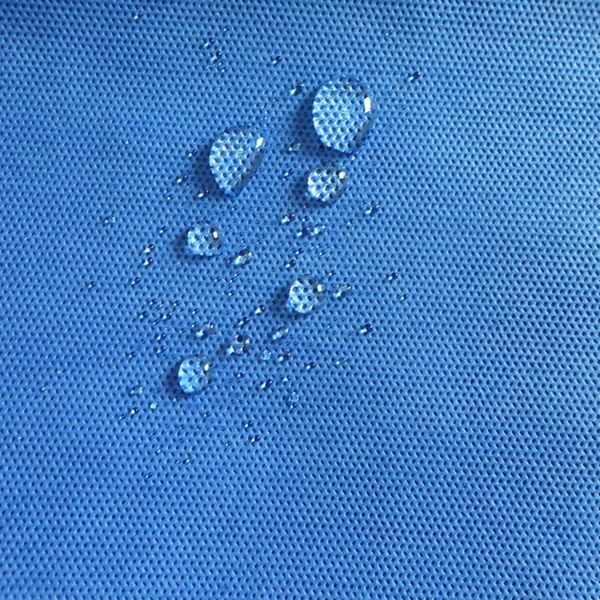
After bonding, the nonwoven fabric may undergo some finishing processes. These can include surface treatments to improve the hydrophilic or hydrophobic properties of the fabric. For example, in diaper applications, the top sheet of the diaper needs to be hydrophilic to quickly absorb urine, while the back sheet needs to be hydrophobic to prevent leakage.
We also conduct rigorous quality control at every stage of the production process. Samples are taken regularly to test for various properties such as basis weight, thickness, tensile strength, and absorbency. Only nonwoven fabrics that meet our strict quality criteria are packaged and shipped to our customers.
Product Applications
Our nonwoven fabrics for hygiene have a wide range of applications. The 100% PP Spunbond Non - woven Fabric For Hygiene is commonly used in the production of baby diapers, adult incontinence products, and sanitary napkins. It provides a soft and comfortable surface for the skin while offering good strength and absorbency.
The SS 30gsm Non - woven Fabric For Baby Diaper is specifically designed for baby diapers. Its 30gsm (grams per square meter) weight provides a good balance between softness and durability, ensuring that the diaper is gentle on the baby's delicate skin while maintaining its integrity during use.
Conclusion
The production of nonwoven for hygiene is a complex and precise process that involves multiple steps, from raw material selection to finishing and quality control. As a supplier, we are committed to using the latest technologies and best practices to produce high - quality nonwoven fabrics that meet the diverse needs of the hygiene industry.
If you are in the market for nonwoven fabrics for hygiene products, we invite you to contact us for a detailed discussion. Our team of experts can provide you with customized solutions based on your specific requirements. We look forward to the opportunity to work with you and contribute to the success of your hygiene product business.
References
- "Nonwoven Fabric Handbook" by David J. Bryant
- "Principles of Nonwoven Fabric Manufacture" by Paul K. Chhabra


