

Hey there! As a supplier of SMS Non Woven Fabric, I've been getting a lot of questions lately about how to reduce the electrostatic charge of this material. So, I thought I'd put together this blog post to share some tips and tricks that I've learned over the years.
First off, let's talk about why electrostatic charge is a problem in the first place. When SMS Non Woven Fabric builds up an electrostatic charge, it can attract dust, dirt, and other particles, which can affect the quality of the fabric. It can also cause problems during the manufacturing process, such as sticking to machinery or causing static shocks to workers.
So, how can we reduce the electrostatic charge of SMS Non Woven Fabric? Here are some effective methods:
1. Humidification
One of the simplest and most effective ways to reduce electrostatic charge is to increase the humidity in the environment. When the air is more humid, the moisture helps to conduct electricity and prevent the buildup of static charge. You can use a humidifier in the manufacturing area or storage facility to maintain a relative humidity level of around 40 - 60%. This will help to keep the SMS Non Woven Fabric in a more stable electrostatic state.
2. Anti - Static Agents
Another option is to use anti - static agents. These are chemicals that can be added to the SMS Non Woven Fabric during the manufacturing process. Anti - static agents work by creating a thin layer on the surface of the fabric that helps to dissipate the electrostatic charge. There are different types of anti - static agents available, such as cationic, anionic, and non - ionic. The choice of anti - static agent depends on the specific requirements of the fabric and the manufacturing process.

3. Grounding
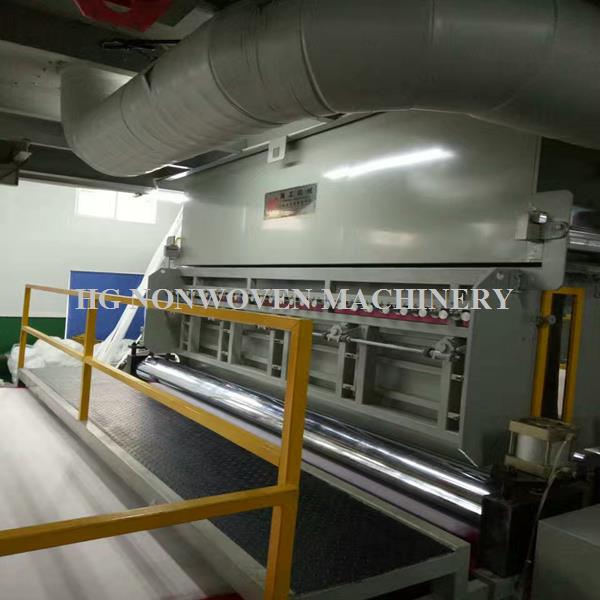
Proper grounding is crucial in reducing electrostatic charge. All the machinery and equipment used in the production and handling of SMS Non Woven Fabric should be properly grounded. This allows the static charge to flow safely to the ground instead of building up on the fabric or equipment. Make sure to regularly check the grounding connections to ensure they are in good working condition.
4. Ionization
Ionization is a process that can neutralize the electrostatic charge on the SMS Non Woven Fabric. Ionizers work by generating positive and negative ions, which are then attracted to the charged particles on the fabric. This helps to balance the charge and reduce the static buildup. There are different types of ionizers available, including air ionizers and static bars. You can choose the one that is most suitable for your production environment.
5. Material Selection
The choice of raw materials can also have an impact on the electrostatic charge of the SMS Non Woven Fabric. Some materials are more prone to static buildup than others. When selecting the polymers and additives for the fabric, consider their electrostatic properties. For example, using materials with better conductivity can help to reduce the static charge.
6. Handling and Storage
Proper handling and storage of SMS Non Woven Fabric can also play a role in reducing electrostatic charge. When handling the fabric, avoid rough or rapid movements that can generate static electricity. Use anti - static gloves and tools if possible. During storage, keep the fabric away from sources of static generation, such as plastic bags or synthetic materials.
Now, let me tell you a bit about our SMS Non Woven Fabric products. We offer a wide range of high - quality SMS Non Woven Fabrics, including Blue SMS Nonwoven Fabric. This fabric is not only durable but also has excellent filtration properties. We also have Laminated PP Nonwoven Fabric and PP Laminated Nonwoven Fabric, which are great for various applications such as medical, hygiene, and packaging.
If you're interested in our SMS Non Woven Fabric products or have any questions about reducing electrostatic charge, don't hesitate to reach out. We're always happy to help and discuss your specific needs. Whether you're a small business or a large corporation, we can provide you with the right solutions.
In conclusion, reducing the electrostatic charge of SMS Non Woven Fabric is essential for maintaining its quality and ensuring a smooth manufacturing process. By using a combination of the methods mentioned above, you can effectively minimize static buildup and improve the performance of the fabric.
References
- Principles of Textile Testing, Third Edition
- Handbook of Nonwoven Fabric Manufacture


