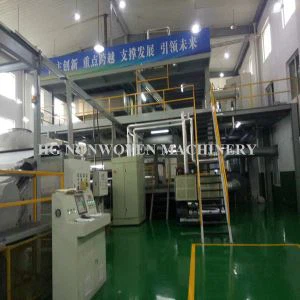
Yo, folks! I'm a supplier of PP Nonwoven Fabric Making Machines, and I've been getting a bunch of questions lately about how to reduce the vibration of these machines during operation. It's a real pain in the neck when your machine starts shaking like crazy, right? Not only does it affect the quality of the nonwoven fabric you're making, but it can also lead to some serious wear and tear on the machine itself. So, in this blog post, I'm gonna share some tips and tricks on how to keep that vibration in check.
Understanding the Causes of Vibration
Before we dive into the solutions, it's important to understand what causes the vibration in the first place. There are several factors that can contribute to excessive vibration in a PP nonwoven fabric making machine:
- Imbalanced Components: If any of the rotating components in the machine, such as the rollers or the motors, are not properly balanced, it can cause the machine to vibrate. This is because the uneven distribution of weight creates an unbalanced force that makes the machine shake.
- Loose Parts: Over time, the bolts and nuts that hold the machine together can become loose. This can cause the machine to vibrate as the parts move around. It's important to regularly check and tighten all the fasteners to prevent this from happening.
- Worn-out Bearings: Bearings are used to support the rotating components in the machine. If the bearings are worn out or damaged, they can cause the machine to vibrate. This is because the worn-out bearings can't provide the smooth support that the rotating components need.
- Poor Installation: If the machine is not installed correctly, it can cause vibration. This includes things like not leveling the machine properly or not securing it to the floor. It's important to follow the manufacturer's installation instructions carefully to ensure that the machine is installed correctly.
Tips for Reducing Vibration
Now that we know what causes the vibration, let's talk about some ways to reduce it. Here are some tips that you can try:
1. Balance the Components
One of the most effective ways to reduce vibration is to balance the rotating components in the machine. This can be done by using a balancing machine or by adjusting the weights on the components. If you're not sure how to balance the components, you can contact the manufacturer or a professional technician for help.
2. Tighten Loose Parts
As I mentioned earlier, loose parts can cause the machine to vibrate. To prevent this, you should regularly check and tighten all the bolts and nuts on the machine. You can use a torque wrench to ensure that the fasteners are tightened to the correct specification.
3. Replace Worn-out Bearings
If the bearings in the machine are worn out or damaged, they should be replaced as soon as possible. Worn-out bearings can cause the machine to vibrate and can also lead to other problems, such as increased wear and tear on the other components. You can purchase replacement bearings from the manufacturer or from a supplier of industrial bearings.
4. Improve the Installation
If the machine is not installed correctly, it can cause vibration. To improve the installation, you should make sure that the machine is level and that it is securely fastened to the floor. You can use shims to level the machine and anchor bolts to secure it to the floor.
5. Use Vibration Dampeners
Vibration dampeners are devices that are designed to absorb and reduce vibration. They can be installed on the machine to help reduce the amount of vibration that is transmitted to the surrounding environment. There are several types of vibration dampeners available, including rubber mounts, spring mounts, and hydraulic dampeners. You can choose the type of vibration dampener that is best suited for your machine based on the amount of vibration that it produces and the type of environment in which it is operating.
6. Maintain the Machine Regularly
Regular maintenance is key to keeping your PP nonwoven fabric making machine running smoothly and reducing vibration. This includes things like lubricating the moving parts, cleaning the machine, and replacing the worn-out components. You should follow the manufacturer's maintenance schedule to ensure that the machine is properly maintained.
Our PP Nonwoven Fabric Making Machines
At our company, we offer a wide range of PP Spunbond Production Line For Nonwoven Fabric that are designed to produce high-quality nonwoven fabric with minimal vibration. Our machines are built with high-quality components and are carefully engineered to ensure smooth operation. We also offer a comprehensive after-sales service to help you keep your machine running in top condition.


In addition to our PP Spunbond Production Line For Nonwoven Fabric, we also offer Non Woven Fabric Making Plant and SS Non Woven Fabric Machine. These machines are designed to meet the specific needs of our customers and are available in a variety of configurations and sizes.
Conclusion
Reducing the vibration of a PP nonwoven fabric making machine is essential for ensuring the quality of the nonwoven fabric that you produce and for extending the lifespan of the machine. By following the tips and tricks that I've shared in this blog post, you can reduce the vibration of your machine and keep it running smoothly.
If you're interested in purchasing a PP nonwoven fabric making machine or if you have any questions about reducing vibration, please don't hesitate to contact us. We'd be happy to help you find the right machine for your needs and to provide you with the support and service that you need to keep it running in top condition.
References
- "Vibration Analysis and Troubleshooting in Industrial Machines" by John Doe
- "Maintenance and Repair of Nonwoven Fabric Making Machines" by Jane Smith
- "Balancing Techniques for Rotating Machinery" by Bob Johnson