PP nonwoven fabric, a versatile and widely used material, has gained significant popularity across various industries. As a leading supplier of PP nonwoven fabric, I often receive inquiries about its heat resistance. In this blog post, I'll delve into the maximum temperature that PP nonwoven fabric can withstand, exploring the factors that influence this property and its implications for different applications.
Understanding PP Nonwoven Fabric
PP, or polypropylene, is a thermoplastic polymer known for its excellent chemical resistance, lightweight nature, and relatively low cost. Nonwoven fabrics are made by bonding or interlocking fibers together through mechanical, thermal, or chemical processes, rather than weaving or knitting. PP nonwoven fabric combines the advantages of polypropylene with the unique characteristics of nonwoven materials, resulting in a product that is strong, durable, and breathable.
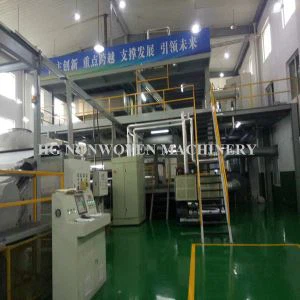
There are several types of PP nonwoven fabrics, each with its own manufacturing process and properties. Laminated PP Nonwoven Fabric is created by bonding a layer of PP nonwoven fabric to another material, such as a film or another nonwoven layer, to enhance its strength, barrier properties, or appearance. PP Spunbond Nonwoven Fabric Roll is produced by extruding molten polypropylene through spinnerets to form continuous filaments, which are then laid down randomly and bonded together. Meltblown Nonwoven Fabric is made by blowing high-velocity hot air onto a stream of molten polypropylene, creating fine fibers that are collected on a conveyor belt and bonded together.
Factors Affecting the Maximum Temperature Resistance of PP Nonwoven Fabric
The maximum temperature that PP nonwoven fabric can withstand is influenced by several factors, including the type of polypropylene used, the manufacturing process, the presence of additives, and the thickness and density of the fabric.
- Type of Polypropylene: Different grades of polypropylene have different melting points and thermal properties. Homopolymer polypropylene, which is made from a single type of monomer, generally has a higher melting point than copolymer polypropylene, which is made from a combination of monomers. High-crystallinity polypropylene also tends to have better heat resistance than low-crystallinity polypropylene.
- Manufacturing Process: The manufacturing process can affect the orientation and crystallinity of the polymer chains in the fabric, which in turn can influence its heat resistance. For example, spunbond nonwoven fabrics typically have a more oriented structure than meltblown nonwoven fabrics, which can result in better heat resistance.
- Additives: Additives such as antioxidants, UV stabilizers, and flame retardants can be added to PP nonwoven fabric to improve its performance in specific applications. Some additives can also enhance the fabric's heat resistance by preventing thermal degradation or reducing the flammability of the material.
- Thickness and Density: Thicker and denser PP nonwoven fabrics generally have better heat resistance than thinner and less dense fabrics. This is because thicker fabrics have more material to absorb and dissipate heat, and denser fabrics have a more compact structure that can better resist deformation at high temperatures.
Typical Maximum Temperature Resistance of PP Nonwoven Fabric
In general, the maximum temperature that PP nonwoven fabric can withstand ranges from approximately 120°C to 160°C (248°F to 320°F). However, this can vary depending on the factors mentioned above. For example, homopolymer polypropylene spunbond nonwoven fabric with a high-crystallinity structure and no additives may be able to withstand temperatures up to 160°C, while copolymer polypropylene meltblown nonwoven fabric with a lower crystallinity and the presence of additives may have a maximum temperature resistance of around 120°C.
It's important to note that the maximum temperature resistance of PP nonwoven fabric is not a fixed value, but rather a range that depends on the specific conditions of use. For example, if the fabric is exposed to high temperatures for a short period of time, it may be able to withstand a higher temperature than if it is exposed to the same temperature for a longer period of time. Additionally, the presence of other factors such as mechanical stress, humidity, and chemical exposure can also affect the fabric's heat resistance.
Applications and Considerations
The maximum temperature resistance of PP nonwoven fabric makes it suitable for a wide range of applications, including:


- Automotive Industry: PP nonwoven fabric is used in automotive interiors for applications such as seat covers, headliners, and door panels. Its heat resistance allows it to withstand the high temperatures generated by the sun and the engine, while its lightweight and breathable nature make it comfortable for passengers.
- Medical and Hygiene Industry: PP nonwoven fabric is used in medical and hygiene products such as surgical gowns, masks, and wipes. Its heat resistance allows it to be sterilized using high-temperature methods such as autoclaving, while its non-toxic and hypoallergenic properties make it safe for use on the skin.
- Filtration Industry: PP nonwoven fabric is used in air and liquid filtration applications due to its high porosity and excellent filtration efficiency. Its heat resistance allows it to be used in high-temperature filtration processes, such as in industrial ovens and furnaces.
- Agricultural Industry: PP nonwoven fabric is used in agricultural applications such as crop covers, mulch films, and erosion control blankets. Its heat resistance allows it to withstand the high temperatures and UV radiation in outdoor environments, while its breathability and water permeability make it suitable for use in agricultural settings.
When selecting PP nonwoven fabric for a specific application, it's important to consider the maximum temperature that the fabric will be exposed to, as well as other factors such as mechanical properties, chemical resistance, and cost. If the application requires the fabric to withstand high temperatures for an extended period of time, it may be necessary to choose a fabric with a higher maximum temperature resistance or to use additional heat-resistant materials in combination with the PP nonwoven fabric.
Contact Us for Your PP Nonwoven Fabric Needs
As a trusted supplier of PP nonwoven fabric, we offer a wide range of products with different specifications and properties to meet the diverse needs of our customers. Whether you're looking for Laminated PP Nonwoven Fabric, PP Spunbond Nonwoven Fabric Roll, or Meltblown Nonwoven Fabric, we can provide you with high-quality products at competitive prices.
If you have any questions about the maximum temperature resistance of our PP nonwoven fabric or would like to discuss your specific requirements, please don't hesitate to contact us. Our team of experts is always ready to assist you and provide you with the information and support you need to make the right choice for your application.
References
- "Polypropylene: Properties, Processing, and Applications." Edited by S. Fakirov. Wiley-VCH Verlag GmbH & Co. KGaA, 2001.
- "Nonwoven Fabrics: Principles, Processes, Performance, and Products." Edited by R. F. Horrocks and S. C. Anand. Woodhead Publishing Limited, 2000.
- "Thermal Analysis of Polymers: Fundamentals and Applications." Edited by B. Wunderlich. Wiley-Interscience, 2009.