As a supplier of China Pp Nonwoven Fabrics, I am often asked about the water - repellent performance of these materials. In this blog, I will delve into the intricacies of the water - repellent properties of China Pp Nonwoven Fabrics, exploring the factors that influence it, its measurement, and applications.
Understanding Polypropylene (PP) Nonwoven Fabrics
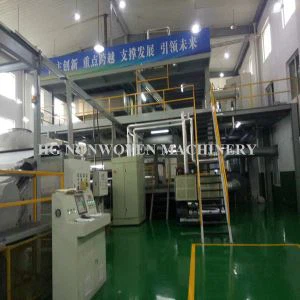
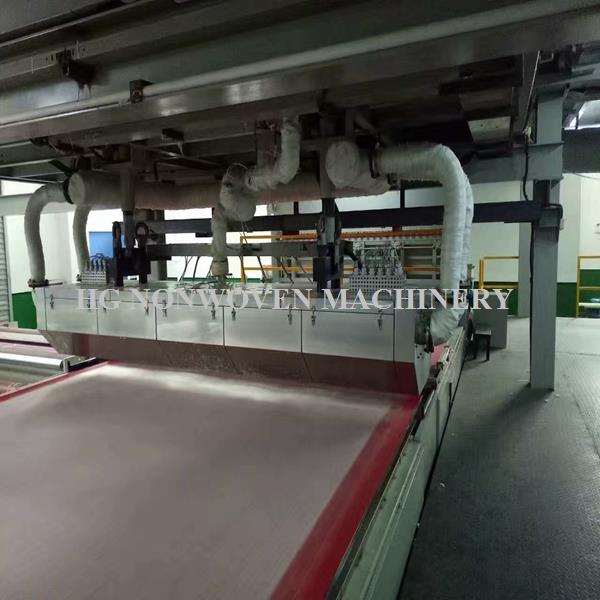
PP nonwoven fabrics are made from polypropylene, a thermoplastic polymer. They are produced through various processes such as spunbonding, melt - blowing, and needle - punching. Among them, PP Spunbonded Nonwoven Fabric is one of the most common types, known for its strength, durability, and cost - effectiveness.
Polypropylene itself has some inherent hydrophobic properties. This is because the chemical structure of polypropylene consists of long - chain hydrocarbon molecules. The carbon - hydrogen bonds in these molecules are non - polar, which means they do not attract water molecules easily. As a result, polypropylene has a natural tendency to repel water to some extent.
Factors Affecting Water - Repellent Performance
Fiber Structure
The structure of the fibers in the nonwoven fabric plays a crucial role in its water - repellent performance. In Polypropylene Spun Bond Non Woven Fabric, the fibers are typically continuous and randomly arranged. This random arrangement creates a porous structure. The size and distribution of these pores can affect how water interacts with the fabric. Smaller pores can prevent water droplets from penetrating the fabric more effectively, enhancing the water - repellency.
Surface Treatment
To improve the water - repellent performance of PP nonwoven fabrics, surface treatments are often applied. These treatments can modify the surface energy of the fabric. A common surface treatment is the application of fluorochemicals or silicone - based coatings. These substances create a low - surface - energy layer on the fabric surface. Water droplets on this treated surface form high - contact - angle beads, which are less likely to spread and penetrate the fabric.
Fabric Density
The density of the nonwoven fabric also impacts its water - repellent ability. A higher - density fabric has fewer and smaller pores, making it more difficult for water to pass through. However, increasing the density too much can also affect other properties of the fabric, such as breathability. Therefore, a balance needs to be struck between water - repellency and other performance requirements.
Measuring Water - Repellent Performance
There are several methods to measure the water - repellent performance of PP nonwoven fabrics.
Contact Angle Measurement
The contact angle is the angle formed between a water droplet and the fabric surface. A larger contact angle indicates better water - repellency. To measure the contact angle, a small water droplet is placed on the fabric surface, and the angle is measured using a goniometer. A contact angle greater than 90 degrees is generally considered hydrophobic, while an angle close to 180 degrees represents super - hydrophobicity.

Water Penetration Test
In a water penetration test, a known amount of water is applied to the fabric surface under a certain pressure for a specific period. The amount of water that penetrates through the fabric is then measured. A lower amount of water penetration indicates better water - repellency.
Spray Rating Test
The spray rating test involves spraying a specific volume of water onto the fabric surface from a fixed height and distance. After spraying, the fabric is visually inspected, and a rating is assigned based on the degree of wetting. A higher spray rating means better water - repellency.
Applications of Water - Repellent PP Nonwoven Fabrics
Hygiene Products
Water - repellent PP nonwoven fabrics are widely used in hygiene products such as diapers and sanitary napkins. The outer layer of these products is often made of water - repellent nonwoven fabric to prevent leakage and keep the outer surface dry.
Agriculture
In agriculture, these fabrics can be used as mulch films. The water - repellent property helps to reduce water evaporation from the soil, conserve water, and prevent weed growth.
Protective Clothing
For protective clothing in industries such as construction, mining, and outdoor work, water - repellent PP nonwoven fabrics are used. They can protect workers from rain, water - based chemicals, and other liquid contaminants.
Packaging
In the packaging industry, water - repellent nonwoven fabrics can be used to wrap products that are sensitive to moisture. This helps to protect the products from damage during storage and transportation.
Comparison with Hydrophilic Nonwoven Fabrics
It is also important to mention Hydrophilic Nonwoven Fabric in contrast to water - repellent PP nonwoven fabrics. Hydrophilic nonwoven fabrics are designed to absorb and retain water. They are used in applications such as wound dressings, wipes, and filtration systems where water absorption is required.
While water - repellent PP nonwoven fabrics have a non - polar surface that repels water, hydrophilic nonwoven fabrics have a polar surface with functional groups that attract water molecules. The choice between water - repellent and hydrophilic nonwoven fabrics depends on the specific application requirements.
Conclusion
The water - repellent performance of China Pp Nonwoven Fabrics is a complex property that is influenced by factors such as fiber structure, surface treatment, and fabric density. Through proper design and treatment, these fabrics can achieve excellent water - repellency, which makes them suitable for a wide range of applications.
If you are interested in our China Pp Nonwoven Fabrics and would like to discuss their water - repellent performance or place an order, please feel free to contact us. We are committed to providing high - quality products and professional services to meet your needs.
References
- ASTM D7334 - 08(2013) Standard Test Method for Surface Wettability of Coatings, Substrates, and Pigments by Advancing Contact Angle Measurement.
- ISO 9073 - 6:2000 Textiles -- Test methods for nonwovens -- Part 6: Determination of water absorption.
- Wenzel, R. N. (1936). Resistance of solid surfaces to wetting by water. Industrial & Engineering Chemistry, 28(8), 988 - 994.