Hey there! As a supplier of SMS Non Woven Fabric, I often get asked if this type of fabric is environmentally friendly. It's a hot topic these days, and I totally get why folks are concerned about the impact of the products they use on our planet. So, let's dive right in and explore whether SMS Non Woven Fabric lives up to the eco - friendly label.
First off, let's understand what SMS Non Woven Fabric is. SMS stands for Spunbond - Meltblown - Spunbond. It's a composite non - woven fabric that combines the strength and durability of spunbond layers with the fine filtration and barrier properties of a meltblown layer. This fabric is used in a wide range of applications, from medical masks and gowns to hygiene products and industrial covers. You can check out more about SMS PP Nonwoven Fabric on our website.
Now, let's talk about the environmental aspects. One of the main components of SMS Non Woven Fabric is polypropylene (PP). Polypropylene is a thermoplastic polymer, and the production of it does have some environmental implications. The raw material for polypropylene comes from petroleum, a non - renewable resource. Extracting and refining petroleum can lead to environmental degradation, including air and water pollution, as well as habitat destruction.
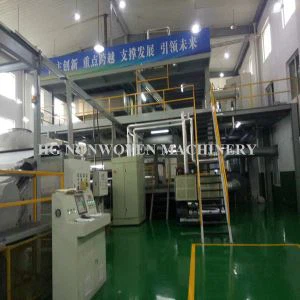
However, there are some silver linings. When it comes to the manufacturing process of SMS Non Woven Fabric, it's relatively energy - efficient compared to traditional woven fabrics. The production of woven fabrics often involves multiple steps like spinning, weaving, and dyeing, which consume a large amount of water, energy, and chemicals. In contrast, the SMS Non Woven Fabric manufacturing process, as shown in the Nonwoven Machine Thermobond Fabric Production Line, is more streamlined. It uses less water and energy, which can be a positive factor in terms of environmental impact.
Another aspect to consider is the lifespan and disposal of SMS Non Woven Fabric. In many applications, such as medical and hygiene products, SMS Non Woven Fabric is used as a single - use item. This can be a double - edged sword. On one hand, single - use products help prevent the spread of diseases and ensure hygiene. On the other hand, they contribute to the growing problem of waste. Polypropylene, the main material in SMS Non Woven Fabric, is not biodegradable. It can take hundreds of years to break down in landfills, leading to long - term waste accumulation.
But don't lose hope just yet! There are efforts being made to make SMS Non Woven Fabric more sustainable. For example, some manufacturers are exploring the use of recycled polypropylene in the production process. By using recycled materials, we can reduce the demand for virgin petroleum - based polypropylene and decrease the overall environmental footprint. Also, there's a growing trend towards developing biodegradable or compostable alternatives to traditional polypropylene - based SMS Non Woven Fabric.
When it comes to recycling, polypropylene is a recyclable material. However, the recycling rate of SMS Non Woven Fabric products is still relatively low. This is partly because the collection and sorting systems for non - woven waste are not as well - developed as those for other materials like paper or plastic bottles. But as more people become aware of the importance of recycling, there's potential for improvement in this area.
Let's also look at the end - of - life options for SMS Non Woven Fabric. In addition to landfilling and recycling, incineration is another option. When incinerated in a controlled environment, polypropylene can release energy, which can be harnessed and used. However, incineration also has its drawbacks, such as the release of pollutants if not properly managed.
Now, let's compare SMS Non Woven Fabric with some other similar materials. For instance, PP Laminated Nonwoven Fabric is another type of non - woven fabric. It has a laminated layer, which can enhance its properties like water resistance. But the lamination process may add to the complexity of recycling and disposal. In comparison, SMS Non Woven Fabric, with its simpler structure, might be more straightforward to recycle in theory.
In the medical field, SMS Non Woven Fabric is a popular choice for masks and gowns. The ability to provide effective protection against pathogens is crucial, especially during a global health crisis. While the single - use nature of these products is a concern from an environmental perspective, it's also a necessary measure to safeguard public health.


In the hygiene product industry, SMS Non Woven Fabric is used in items like diapers and sanitary napkins. These products need to be soft, absorbent, and hygienic. And SMS Non Woven Fabric meets these requirements. But again, the issue of waste management comes into play. As consumers, we need to be more conscious of how we dispose of these products and look for more sustainable options when available.
So, is SMS Non Woven Fabric environmentally friendly? Well, it's not a black - and - white answer. It has both positive and negative environmental aspects. On one hand, it's energy - efficient in production and recyclable in theory. On the other hand, it's made from non - renewable resources and can contribute to long - term waste if not managed properly.
As a supplier, we're committed to promoting more sustainable practices. We're constantly researching and exploring ways to improve the environmental performance of our SMS Non Woven Fabric. Whether it's using recycled materials, improving the recycling process, or developing more eco - friendly alternatives, we're on a mission to make a positive impact.
If you're in the market for SMS Non Woven Fabric or have any questions about its environmental impact, we'd love to hear from you. We can have a detailed discussion about your specific needs and how we can work together to make more sustainable choices. Feel free to reach out for a chat and let's start a conversation about potential procurement opportunities.
References
- ASTM International standards related to non - woven fabric testing
- Industry reports on the production and environmental impact of polypropylene
- Research papers on the development of sustainable non - woven materials