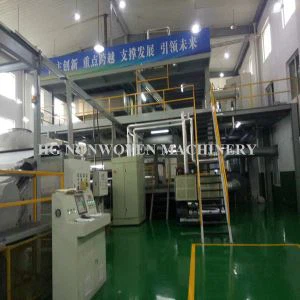
Medical nonwoven fabrics play a crucial role in the healthcare industry, being used in a wide range of applications such as surgical gowns, masks, drapes, and wound dressings. However, the generation of dust from these nonwoven materials can pose significant risks, including potential contamination of medical environments and harm to patients and healthcare workers. As a dedicated supplier of nonwoven for medical use, we understand the importance of minimizing dust generation to ensure the safety and quality of medical products. In this blog post, we will explore effective strategies to reduce the dust generation of medical nonwoven fabrics.
Understanding the Sources of Dust in Medical Nonwoven Fabrics
Before delving into the solutions, it is essential to understand the primary sources of dust in medical nonwoven fabrics. Dust can originate from various stages of the manufacturing process, including raw material handling, fiber processing, and fabric formation. During the production of nonwoven fabrics, fibers may break or shed, resulting in the generation of fine particles. Additionally, the presence of loose fibers, lint, or debris on the fabric surface can also contribute to dust formation.
Environmental factors, such as humidity and air quality, can also affect dust generation. Low humidity levels can cause fibers to become more brittle and prone to breakage, while poor air quality can introduce contaminants that adhere to the fabric surface. Understanding these sources is the first step in developing effective dust reduction strategies.
Selecting High - Quality Raw Materials
The quality of raw materials is a critical factor in reducing dust generation. When sourcing polypropylene (PP) for medical nonwoven fabrics, such as the 45gsm SMS Spunbond Non Woven Fabric 100% PP and 25gsm 195mm PP Spun Bond Non Woven Fabric, it is important to choose suppliers who adhere to strict quality control standards. High - quality PP fibers are less likely to break or shed during processing, resulting in fewer dust particles.
Look for raw materials that have been thoroughly cleaned and processed to remove impurities. Fibers with consistent diameters and lengths are also preferable, as they tend to form more stable nonwoven structures. By investing in high - quality raw materials, we can significantly reduce the initial dust potential of the nonwoven fabrics.
Optimizing the Manufacturing Process
The manufacturing process of medical nonwoven fabrics can have a significant impact on dust generation. Several key steps in the process can be optimized to minimize dust production:


Fiber Preparation
During fiber preparation, proper handling and processing techniques are essential. For example, using gentle opening and blending methods can prevent excessive fiber breakage. Additionally, ensuring that the fibers are well - lubricated can reduce friction during processing, which in turn reduces the likelihood of fiber breakage and dust generation.
Web Formation
In the web formation stage, controlling the process parameters such as air velocity and temperature is crucial. High - velocity air can cause fibers to become airborne and increase dust generation. By adjusting the air velocity to an optimal level, we can form a more stable web with fewer loose fibers. Similarly, maintaining the appropriate temperature can prevent fibers from becoming too brittle or sticky, which can also contribute to dust problems.
Bonding and Finishing
The bonding and finishing processes also play a role in dust reduction. For thermal bonding, precise control of temperature and pressure is necessary to ensure that the fibers are properly bonded without excessive melting or breakage. Chemical bonding agents should be carefully selected to ensure they are compatible with the fibers and do not cause excessive fiber degradation. After bonding, thorough cleaning and finishing processes can remove any loose fibers or debris from the fabric surface.
Implementing Quality Control Measures
Quality control is an integral part of reducing dust generation in medical nonwoven fabrics. Regular inspections and testing should be carried out at various stages of the manufacturing process to detect and address any potential dust - related issues.
In - Process Inspections
During production, in - process inspections can identify problems such as fiber breakage, loose fibers, or debris on the fabric surface. Visual inspections can be complemented by more advanced techniques such as microscopic analysis to detect fine particles. Any defective products should be immediately removed from the production line to prevent them from entering the final product.
Final Product Testing
Before the nonwoven fabrics are shipped to customers, they should undergo rigorous final product testing. This includes testing for dust generation using standardized methods. For example, the fabrics can be subjected to simulated handling and agitation to measure the amount of dust released. Only products that meet the strict dust - generation standards should be released for medical use.
Controlling the Manufacturing Environment
The manufacturing environment can have a significant impact on dust generation. Maintaining a clean and controlled environment is essential to minimize the introduction of external contaminants and reduce the risk of dust accumulation.
Air Filtration
Installing high - efficiency air filtration systems in the manufacturing facility can effectively remove dust particles from the air. These systems should be regularly maintained and replaced to ensure optimal performance. Additionally, proper ventilation is necessary to ensure a constant supply of clean air and prevent the buildup of dust in the production area.
Humidity Control
Controlling the humidity level in the manufacturing environment is also important. As mentioned earlier, low humidity can cause fibers to become brittle and more prone to breakage. By maintaining a relative humidity level within the recommended range (usually between 40% - 60%), we can reduce the likelihood of fiber breakage and dust generation.
Cleanliness and Hygiene
Regular cleaning of the manufacturing equipment and production area is crucial. All surfaces should be kept clean to prevent the accumulation of dust and debris. Workers should also follow strict hygiene practices, such as wearing appropriate protective clothing and using clean tools, to minimize the introduction of contaminants into the production process.
Packaging and Storage
Proper packaging and storage of medical nonwoven fabrics are also important to prevent dust contamination. The fabrics should be packaged in clean, sealed containers that provide protection against dust and other environmental factors. During storage, the products should be kept in a clean, dry, and well - ventilated area to prevent the growth of mold or the accumulation of dust.
Conclusion
Reducing the dust generation of medical nonwoven fabrics is a multi - faceted challenge that requires attention to every aspect of the manufacturing process, from raw material selection to packaging and storage. By implementing the strategies outlined in this blog post, we can significantly reduce the amount of dust generated by our nonwoven products, ensuring their safety and quality for medical applications.
As a leading supplier of medical nonwoven fabrics, we are committed to providing our customers with high - quality products that meet the strictest industry standards. Our 45g SMS SSMMS SSMMMS Polypropylene Nonwoven Fabric For Barrier Surgical Gowns and other nonwoven products are manufactured with the utmost care to minimize dust generation.
If you are interested in purchasing our medical nonwoven fabrics or have any questions about dust reduction, please do not hesitate to contact us for procurement discussions. We look forward to working with you to meet your medical nonwoven fabric needs.
References
- ASTM International. Standard test methods for evaluating the dust generation of nonwoven fabrics.
- ISO standards related to medical nonwoven fabric quality and safety.
- Research papers on the manufacturing and quality control of medical nonwoven fabrics.